
• Cart
    • Quote
    • Enquiry
    • Cart
    • Quote
    • Enquiry
Novogene Europe
  • Novogene Europe
  • Genomics
    • Human Whole Genome Sequencing
    • Whole Exome Sequencing
    • Plant and Animal Whole Genome Sequencing
    • Plant and Animal De novo Sequencing
    • Microbial Whole Genome Sequencing
    • Microbial De novo Sequencing
    • Whole Plasmid SequencingOrder Online!
    Proteomics
    • Olink ProteomicsNew!
    Epigenomics
    • DNA Methylation SequencingUpdated!
    • Chromatin Immunoprecipitation Sequencing (ChIP-seq)
    • RNA Immunoprecipitation Sequencing (RIP-seq)
    Metabolomics
    • Untargeted MetabolomicsComing Soon!
    Transcriptomics
    • mRNA Sequencing
    • Small RNA Sequencing (sRNA‑seq)
    • Circular RNA Sequencing (circRNA-seq)
    • Total RNA Sequencing
    • Whole Transcriptome Sequencing
    • Full-Length Transcriptome Sequencing
    • Prokaryotic RNA Sequencing
    • Metatranscriptome Sequencing
    Metagenomics
    • Amplicon SequencingOrder Online!
    • Shotgun Metagenomics Sequencing
    Single Cell & Spatial Omics
    • 10X Single Cell Gene Expression
    • 10X Single Cell Immune Profiling
    • 10X Visium HD Spatial Gene Expression
    Premade Library
    • Sequencing Only on Illumina® Sequencer
    • Sequencing Only on Element SequencerNew!
    • Sequencing Only on PacBio Sequencer
    Translational Research
    • Accredited & Validated Clinical Research Sequencing
  • PromotionsPromotions
    • Platforms
    • Automated Delivery Platform (Falcon)
    • Bioinformatics Analysis Tool (NovoMagic)
    • Customer Service System (CSS)
    • Customer Support
    • Webinars
    • Case Study
    • Blog
    • Brochure
    • Cancer Research
    • Immuno-oncology
    • Agrigenomics
    • Environment
    • Food Science
    • Human Microbiome
    • Plant and Animal Microbiome
    • Drug Discovery and Development
    • Rare and Complex Diseases
    • About Us
    • News & Events
    • Careers
    • Our Locations
  • Contact UsContact Us
    • Amplicon Sequencing
    • Whole Plasmid Sequencing

ServicesServices menu

ResourcesResources menu

SupportSupport menu

CompanyCompany menu

Services
Human Whole Genome SequencingWhole Exome SequencingPlant and Animal Whole Genome SequencingPlant and Animal De novo SequencingDNA Methylation SequencingmRNA SequencingFull-Length Transcriptome SequencingWhole Transcriptome SequencingMetatranscriptome SequencingShotgun Metagenomics SequencingAmplicon SequencingWhole Plasmid Sequencing10X Single Cell Gene Expression10X Single Cell Immune Profiling10X Visium HD Spatial Gene ExpressionOlink ProteomicsUntargeted MetabolomicsAccredited & Validated Clinical Research Sequencing
Resources
WebinarsCase StudyBlogBrochure
Support
PlatformBioinformatics Analysis Tool (NovoMagic)Customer Service System (CSS)Customer Support
Company
About UsNews & EventsLocationContact Us
LinkedInLinkedIn hoverYouTubeYouTube hoverInstagramInstagram hoverXX hover
Copyright © 2026 Novogene Inc. All rights reserved.For Research Use Only. Not for Clinical Diagnostic Use.
    • Cart
    • Quote
    • Enquiry
    • Cart
    • Quote
    • Enquiry
Novogene Europe
  • Novogene Europe
  • Genomics
    • Human Whole Genome Sequencing
    • Whole Exome Sequencing
    • Plant and Animal Whole Genome Sequencing
    • Plant and Animal De novo Sequencing
    • Microbial Whole Genome Sequencing
    • Microbial De novo Sequencing
    • Whole Plasmid SequencingOrder Online!
    Proteomics
    • Olink ProteomicsNew!
    Epigenomics
    • DNA Methylation SequencingUpdated!
    • Chromatin Immunoprecipitation Sequencing (ChIP-seq)
    • RNA Immunoprecipitation Sequencing (RIP-seq)
    Metabolomics
    • Untargeted MetabolomicsComing Soon!
    Transcriptomics
    • mRNA Sequencing
    • Small RNA Sequencing (sRNA‑seq)
    • Circular RNA Sequencing (circRNA-seq)
    • Total RNA Sequencing
    • Whole Transcriptome Sequencing
    • Full-Length Transcriptome Sequencing
    • Prokaryotic RNA Sequencing
    • Metatranscriptome Sequencing
    Metagenomics
    • Amplicon SequencingOrder Online!
    • Shotgun Metagenomics Sequencing
    Single Cell & Spatial Omics
    • 10X Single Cell Gene Expression
    • 10X Single Cell Immune Profiling
    • 10X Visium HD Spatial Gene Expression
    Premade Library
    • Sequencing Only on Illumina® Sequencer
    • Sequencing Only on Element SequencerNew!
    • Sequencing Only on PacBio Sequencer
    Translational Research
    • Accredited & Validated Clinical Research Sequencing
  • PromotionsPromotions
    • Platforms
    • Automated Delivery Platform (Falcon)
    • Bioinformatics Analysis Tool (NovoMagic)
    • Customer Service System (CSS)
    • Customer Support
    • Webinars
    • Case Study
    • Blog
    • Brochure
    • Cancer Research
    • Immuno-oncology
    • Agrigenomics
    • Environment
    • Food Science
    • Human Microbiome
    • Plant and Animal Microbiome
    • Drug Discovery and Development
    • Rare and Complex Diseases
    • About Us
    • News & Events
    • Careers
    • Our Locations
  • Contact UsContact Us
    • Amplicon Sequencing
    • Whole Plasmid Sequencing

ServicesServices menu

ResourcesResources menu

SupportSupport menu

CompanyCompany menu

Services
Human Whole Genome SequencingWhole Exome SequencingPlant and Animal Whole Genome SequencingPlant and Animal De novo SequencingDNA Methylation SequencingmRNA SequencingFull-Length Transcriptome SequencingWhole Transcriptome SequencingMetatranscriptome SequencingShotgun Metagenomics SequencingAmplicon SequencingWhole Plasmid Sequencing10X Single Cell Gene Expression10X Single Cell Immune Profiling10X Visium HD Spatial Gene ExpressionOlink ProteomicsUntargeted MetabolomicsAccredited & Validated Clinical Research Sequencing
Resources
WebinarsCase StudyBlogBrochure
Support
PlatformBioinformatics Analysis Tool (NovoMagic)Customer Service System (CSS)Customer Support
Company
About UsNews & EventsLocationContact Us
LinkedInLinkedIn hoverYouTubeYouTube hoverInstagramInstagram hoverXX hover
Copyright © 2026 Novogene Inc. All rights reserved.For Research Use Only. Not for Clinical Diagnostic Use.
banner laptop bg
banner mobile bg

Amplicon Sequencing

Targeted 16S, 18S and ITS amplicon sequencing for microbial community profiling, diversity analysis and taxonomic comparison.
Place Order Now
(Amplicon Sequencing)
Place Order Now
(Amplicon Sequencing)
OverviewOverview
BenefitsBenefits
ApplicationsApplications
SpecificationsSpecifications
ResourcesResources

Amplicon sequencing uses PCR amplification of marker regions, such as 16S rRNA, 18S rRNA or ITS, to profile microbial communities across complex biological or environmental samples. It provides a targeted and cost-effective approach for comparing community composition, diversity and relative abundance across sample groups.


Novogene Europe supports short-read and full-length amplicon sequencing options, including Illumina-based 16S/18S/ITS profiling and PacBio full-length 16S/18S/ITS sequencing. Short-read amplicon sequencing is well suited for high-throughput community profiling across large sample sets, while full-length amplicon sequencing can support higher taxonomic resolution for selected study designs.

Service Highlights

Marker-gene Community Profiling

Profile microbial communities using targeted 16S, 18S or ITS marker regions to compare composition, diversity and relative abundance across samples.

Marker-gene Community Profiling

Profile microbial communities using targeted 16S, 18S or ITS marker regions to compare composition, diversity and relative abundance across samples.

Short-read and Full-length Options

Support Illumina short-read amplicon sequencing and PacBio full-length 16S/18S/ITS sequencing, depending on study goals and taxonomic resolution needs.

Short-read and Full-length Options

Support Illumina short-read amplicon sequencing and PacBio full-length 16S/18S/ITS sequencing, depending on study goals and taxonomic resolution needs.

Diversity and Taxonomic Analysis

Bioinformatics workflows support taxonomic annotation, alpha and beta diversity analysis, community comparison and visualisation of microbial composition.

Diversity and Taxonomic Analysis

Bioinformatics workflows support taxonomic annotation, alpha and beta diversity analysis, community comparison and visualisation of microbial composition.

NovoMagic Analysis Support

Selected 16S, ITS and 18S datasets can be explored through NovoMagic, supporting online analysis, visualisation and result interpretation.

NovoMagic Analysis Support

Selected 16S, ITS and 18S datasets can be explored through NovoMagic, supporting online analysis, visualisation and result interpretation.

Service Highlights

Marker-gene Community Profiling

Profile microbial communities using targeted 16S, 18S or ITS marker regions to compare composition, diversity and relative abundance across samples.

Marker-gene Community Profiling

Profile microbial communities using targeted 16S, 18S or ITS marker regions to compare composition, diversity and relative abundance across samples.

Short-read and Full-length Options

Support Illumina short-read amplicon sequencing and PacBio full-length 16S/18S/ITS sequencing, depending on study goals and taxonomic resolution needs.

Short-read and Full-length Options

Support Illumina short-read amplicon sequencing and PacBio full-length 16S/18S/ITS sequencing, depending on study goals and taxonomic resolution needs.

Diversity and Taxonomic Analysis

Bioinformatics workflows support taxonomic annotation, alpha and beta diversity analysis, community comparison and visualisation of microbial composition.

Diversity and Taxonomic Analysis

Bioinformatics workflows support taxonomic annotation, alpha and beta diversity analysis, community comparison and visualisation of microbial composition.

NovoMagic Analysis Support

Selected 16S, ITS and 18S datasets can be explored through NovoMagic, supporting online analysis, visualisation and result interpretation.

NovoMagic Analysis Support

Selected 16S, ITS and 18S datasets can be explored through NovoMagic, supporting online analysis, visualisation and result interpretation.

Applications

Microbiome Research

Amplicon sequencing helps researchers investigate microbial community composition and diversity across host-associated, environmental and experimental sample types.

Microbiome Research

Amplicon sequencing helps researchers investigate microbial community composition and diversity across host-associated, environmental and experimental sample types.

Environmental and Ecological Monitoring

Marker-gene profiling can support studies of microbial diversity in soil, water, marine, plant-associated and other ecosystem samples, helping researchers track community shifts across environments.

Environmental and Ecological Monitoring

Marker-gene profiling can support studies of microbial diversity in soil, water, marine, plant-associated and other ecosystem samples, helping researchers track community shifts across environments.

Host–Microbe Interaction Studies

Quantify microbial abundance, richness, and evenness, and compare community composition across samples or experimental groups.

Host–Microbe Interaction Studies

Quantify microbial abundance, richness, and evenness, and compare community composition across samples or experimental groups.

Agriculture, Food and Industrial Microbiology

Amplicon sequencing supports microbial community analysis in agricultural systems, food-related samples, fermentation studies and other applied microbiology contexts.

Agriculture, Food and Industrial Microbiology

Amplicon sequencing supports microbial community analysis in agricultural systems, food-related samples, fermentation studies and other applied microbiology contexts.

Applications

Microbiome Research

Amplicon sequencing helps researchers investigate microbial community composition and diversity across host-associated, environmental and experimental sample types.

Microbiome Research

Amplicon sequencing helps researchers investigate microbial community composition and diversity across host-associated, environmental and experimental sample types.

Environmental and Ecological Monitoring

Marker-gene profiling can support studies of microbial diversity in soil, water, marine, plant-associated and other ecosystem samples, helping researchers track community shifts across environments.

Environmental and Ecological Monitoring

Marker-gene profiling can support studies of microbial diversity in soil, water, marine, plant-associated and other ecosystem samples, helping researchers track community shifts across environments.

Host–Microbe Interaction Studies

Quantify microbial abundance, richness, and evenness, and compare community composition across samples or experimental groups.

Host–Microbe Interaction Studies

Quantify microbial abundance, richness, and evenness, and compare community composition across samples or experimental groups.

Agriculture, Food and Industrial Microbiology

Amplicon sequencing supports microbial community analysis in agricultural systems, food-related samples, fermentation studies and other applied microbiology contexts.

Agriculture, Food and Industrial Microbiology

Amplicon sequencing supports microbial community analysis in agricultural systems, food-related samples, fermentation studies and other applied microbiology contexts.

Specifications

Sample Requirements

The quantities listed are provided for reference only. Please download the Sample Requirements for detailed guidance, or contact us to discuss your project-specific requirements.

ServiceSample TypeMinimum AmountMinimum VolumeRecommended ConcentrationPurity
Amplicon Metagenomic SequencingGenomic DNA≥ 200 ng≥ 20 μL≥ 5 ng/μLOD260/280 = 1.8-2.0.
no degradation, no contamination
PacBio Full -Length
16S/18S/ITS
Genomic DNA≥ 150 ng≥ 30 μL≥ 10 ng/μLOD260/280 = 1.8-2.0.
no degradation, no contamination

Sample Requirements

The quantities listed are provided for reference only. Please download the Sample Requirements for detailed guidance, or contact us to discuss your project-specific requirements.

ServiceSample TypeMinimum AmountMinimum VolumeRecommended ConcentrationPurity
Amplicon Metagenomic SequencingGenomic DNA≥ 200 ng≥ 20 μL≥ 5 ng/μLOD260/280 = 1.8-2.0.
no degradation, no contamination
PacBio Full -Length
16S/18S/ITS
Genomic DNA≥ 150 ng≥ 30 μL≥ 10 ng/μLOD260/280 = 1.8-2.0.
no degradation, no contamination

Sample Requirements

The quantities listed are provided for reference only. Please download the Sample Requirements for detailed guidance, or contact us to discuss your project-specific requirements.

ServiceSample TypeMinimum AmountMinimum VolumeRecommended ConcentrationPurity
Amplicon Metagenomic SequencingGenomic DNA≥ 200 ng≥ 20 μL≥ 5 ng/μLOD260/280 = 1.8-2.0.
no degradation, no contamination
PacBio Full -Length
16S/18S/ITS
Genomic DNA≥ 150 ng≥ 30 μL≥ 10 ng/μLOD260/280 = 1.8-2.0.
no degradation, no contamination

Sample Requirements

The quantities listed are provided for reference only. Please download the Sample Requirements for detailed guidance, or contact us to discuss your project-specific requirements.

ServiceSample TypeMinimum AmountMinimum VolumeRecommended ConcentrationPurity
Amplicon Metagenomic SequencingGenomic DNA≥ 200 ng≥ 20 μL≥ 5 ng/μLOD260/280 = 1.8-2.0.
no degradation, no contamination
PacBio Full -Length
16S/18S/ITS
Genomic DNA≥ 150 ng≥ 30 μL≥ 10 ng/μLOD260/280 = 1.8-2.0.
no degradation, no contamination

Sequencing and Analysis

Recommended data outputs and analysis examples are provided for reference only. For detailed information, please contact us to discuss your project-specific analysis requirements.

ServiceAmplicon Metagenomic SequencingPacBio Full -Length 16S/18S/ITS
Sequencing PlatformIllumina NovaSeq SystemPacBio Revio
Sequencing StrategyNovaSeq Reagent (500 Cycles)CCS (Circular Consensus Sequencing) Mode
Data Output50K/100K/500K raw tags10K/20K/30K/50K/100k clean reads
Qiime1 or Qiime2Core AnalysisData Quality Control
OTU/ASV Clustering
Taxonomic Annotation
Alpha diversity analysis (rarefaction curve, species boxplot)
Beta Diversity Analyses (UPGMA, PCA, PCoA, NMDS)
Community Differences Analyses (Anosim, MRPP, Adonis, Simper)
Statistical Analyses (T-Test, MetaGenomSeq, Wilcoxon test, Kruskal-Wallis Test, LEfSe)
Function Prediction (Qiime2 Only)
Community Assembly Mechanisms( beta NTI, NST, iCAMP)
Qiime 2 Analysis - DADA2 denoise, OTU/ASV annotation and relative abundance analysis
Alpha diversity analysis (rarefaction curve, species boxplot)
Beta diversity analysis (heatmap, PCoA, PCA, NMDS)
Comparative analysis between groups and within group (Adonis, Anosim, t-test, MetaGenomeSeq, LEfSe)
Function prediction
Advanced AnalysisEnvironmental association analysis (Spearman, CCA/RDA, VPA analysis)
Correlation analysis (Network analysis, Network3D)

Sequencing and Analysis

Recommended data outputs and analysis examples are provided for reference only. For detailed information, please contact us to discuss your project-specific analysis requirements.

ServiceAmplicon Metagenomic SequencingPacBio Full -Length 16S/18S/ITS
Sequencing PlatformIllumina NovaSeq SystemPacBio Revio
Sequencing StrategyNovaSeq Reagent (500 Cycles)CCS (Circular Consensus Sequencing) Mode
Data Output50K/100K/500K raw tags10K/20K/30K/50K/100k clean reads
Qiime1 or Qiime2Core AnalysisData Quality Control
OTU/ASV Clustering
Taxonomic Annotation
Alpha diversity analysis (rarefaction curve, species boxplot)
Beta Diversity Analyses (UPGMA, PCA, PCoA, NMDS)
Community Differences Analyses (Anosim, MRPP, Adonis, Simper)
Statistical Analyses (T-Test, MetaGenomSeq, Wilcoxon test, Kruskal-Wallis Test, LEfSe)
Function Prediction (Qiime2 Only)
Community Assembly Mechanisms( beta NTI, NST, iCAMP)
Qiime 2 Analysis - DADA2 denoise, OTU/ASV annotation and relative abundance analysis
Alpha diversity analysis (rarefaction curve, species boxplot)
Beta diversity analysis (heatmap, PCoA, PCA, NMDS)
Comparative analysis between groups and within group (Adonis, Anosim, t-test, MetaGenomeSeq, LEfSe)
Function prediction
Advanced AnalysisEnvironmental association analysis (Spearman, CCA/RDA, VPA analysis)
Correlation analysis (Network analysis, Network3D)

Sequencing and Analysis

Recommended data outputs and analysis examples are provided for reference only. For detailed information, please contact us to discuss your project-specific analysis requirements.

ServiceAmplicon Metagenomic SequencingPacBio Full -Length 16S/18S/ITS
Sequencing PlatformIllumina NovaSeq SystemPacBio Revio
Sequencing StrategyNovaSeq Reagent (500 Cycles)CCS (Circular Consensus Sequencing) Mode
Data Output50K/100K/500K raw tags10K/20K/30K/50K/100k clean reads
Qiime1 or Qiime2Core AnalysisData Quality Control
OTU/ASV Clustering
Taxonomic Annotation
Alpha diversity analysis (rarefaction curve, species boxplot)
Beta Diversity Analyses (UPGMA, PCA, PCoA, NMDS)
Community Differences Analyses (Anosim, MRPP, Adonis, Simper)
Statistical Analyses (T-Test, MetaGenomSeq, Wilcoxon test, Kruskal-Wallis Test, LEfSe)
Function Prediction (Qiime2 Only)
Community Assembly Mechanisms( beta NTI, NST, iCAMP)
Qiime 2 Analysis - DADA2 denoise, OTU/ASV annotation and relative abundance analysis
Alpha diversity analysis (rarefaction curve, species boxplot)
Beta diversity analysis (heatmap, PCoA, PCA, NMDS)
Comparative analysis between groups and within group (Adonis, Anosim, t-test, MetaGenomeSeq, LEfSe)
Function prediction
Advanced AnalysisEnvironmental association analysis (Spearman, CCA/RDA, VPA analysis)
Correlation analysis (Network analysis, Network3D)

Sequencing and Analysis

Recommended data outputs and analysis examples are provided for reference only. For detailed information, please contact us to discuss your project-specific analysis requirements.

ServiceAmplicon Metagenomic SequencingPacBio Full -Length 16S/18S/ITS
Sequencing PlatformIllumina NovaSeq SystemPacBio Revio
Sequencing StrategyNovaSeq Reagent (500 Cycles)CCS (Circular Consensus Sequencing) Mode
Data Output50K/100K/500K raw tags10K/20K/30K/50K/100k clean reads
Qiime1 or Qiime2Core AnalysisData Quality Control
OTU/ASV Clustering
Taxonomic Annotation
Alpha diversity analysis (rarefaction curve, species boxplot)
Beta Diversity Analyses (UPGMA, PCA, PCoA, NMDS)
Community Differences Analyses (Anosim, MRPP, Adonis, Simper)
Statistical Analyses (T-Test, MetaGenomSeq, Wilcoxon test, Kruskal-Wallis Test, LEfSe)
Function Prediction (Qiime2 Only)
Community Assembly Mechanisms( beta NTI, NST, iCAMP)
Qiime 2 Analysis - DADA2 denoise, OTU/ASV annotation and relative abundance analysis
Alpha diversity analysis (rarefaction curve, species boxplot)
Beta diversity analysis (heatmap, PCoA, PCA, NMDS)
Comparative analysis between groups and within group (Adonis, Anosim, t-test, MetaGenomeSeq, LEfSe)
Function prediction
Advanced AnalysisEnvironmental association analysis (Spearman, CCA/RDA, VPA analysis)
Correlation analysis (Network analysis, Network3D)

Primers applied to Amplicon Metagenomic Sequencing

TypesAmplified RegionFragment LengthPrimersSequences (5’- 3’)
Bacterial 16SV4300 bp515FGTGCCAGCMGCCGCGGTAA
806RGGACTACHVGGGTWTCTAAT
V3-V4470 bp341FCCTAYGGGRBGCASCAG
806RGGACTACNNGGGTATCTAAT
V4-V5450 bp515FGTGCCAGCMGCCGCGGTAA
907RCCGTCAATTCCTTTGAGTTT
V5-V7 (for endophytic)435 bp799FAACMGGATTAGATACCCKG
1193RACGTCATCCCCACCTTCC
16S Full Length (V1-V9)~1500 bpFAGRGTTYGATYMTGGCTCAG
RRGYTACCTTGTTACGACTT
Archaea V4
(AKA. Novel Archaea V4)
V4-V5415 bpArch519FCAGCCGCCGCGGTAA
Arch915RGTGCTCCCCCGCCAATTCCT
Fungal 18SV4350 bp528FGCGGTAATTCCAGCTCCAA
706RAATCCRAGAATTTCACCTCT
18S Full length V1-V9~1800 - 2000 bpEuk-AAACCTGGTTGATCCTGCCAGT
Euk-BGATCCTTCTGCAGGTTCACCTAC
ITS1200-400 bpITS5-1737FGGAAGTAAAAGTCGTAACAAGG
ITS2-2043RGCTGCGTTCTTCATCGATGC
ITS2380 bpITS3-2024FGCATCGATGAAGAACGCAGC
ITS4-2409RTCCTCCGCTTATTGATATGC
Fungal ITSITS1-1F (for endophytic)200-400 bpITS1-1F-FCTTGGTCATTTAGAGGAAGTAA
ITS1-1F-RGCTGCGTTCTTCATCGATGC
ITS Full length (1-2)~500 - 800 bpITS9munngsTACACACCGCCCGTCG
ITS4ngsUniCCTSCSCTTANTDATATGC

Primers applied to Amplicon Metagenomic Sequencing

TypesAmplified RegionFragment LengthPrimersSequences (5’- 3’)
Bacterial 16SV4300 bp515FGTGCCAGCMGCCGCGGTAA
806RGGACTACHVGGGTWTCTAAT
V3-V4470 bp341FCCTAYGGGRBGCASCAG
806RGGACTACNNGGGTATCTAAT
V4-V5450 bp515FGTGCCAGCMGCCGCGGTAA
907RCCGTCAATTCCTTTGAGTTT
V5-V7 (for endophytic)435 bp799FAACMGGATTAGATACCCKG
1193RACGTCATCCCCACCTTCC
16S Full Length (V1-V9)~1500 bpFAGRGTTYGATYMTGGCTCAG
RRGYTACCTTGTTACGACTT
Archaea V4
(AKA. Novel Archaea V4)
V4-V5415 bpArch519FCAGCCGCCGCGGTAA
Arch915RGTGCTCCCCCGCCAATTCCT
Fungal 18SV4350 bp528FGCGGTAATTCCAGCTCCAA
706RAATCCRAGAATTTCACCTCT
18S Full length V1-V9~1800 - 2000 bpEuk-AAACCTGGTTGATCCTGCCAGT
Euk-BGATCCTTCTGCAGGTTCACCTAC
ITS1200-400 bpITS5-1737FGGAAGTAAAAGTCGTAACAAGG
ITS2-2043RGCTGCGTTCTTCATCGATGC
ITS2380 bpITS3-2024FGCATCGATGAAGAACGCAGC
ITS4-2409RTCCTCCGCTTATTGATATGC
Fungal ITSITS1-1F (for endophytic)200-400 bpITS1-1F-FCTTGGTCATTTAGAGGAAGTAA
ITS1-1F-RGCTGCGTTCTTCATCGATGC
ITS Full length (1-2)~500 - 800 bpITS9munngsTACACACCGCCCGTCG
ITS4ngsUniCCTSCSCTTANTDATATGC

Primers applied to Amplicon Metagenomic Sequencing

TypesAmplified RegionFragment LengthPrimersSequences (5’- 3’)
Bacterial 16SV4300 bp515FGTGCCAGCMGCCGCGGTAA
806RGGACTACHVGGGTWTCTAAT
V3-V4470 bp341FCCTAYGGGRBGCASCAG
806RGGACTACNNGGGTATCTAAT
V4-V5450 bp515FGTGCCAGCMGCCGCGGTAA
907RCCGTCAATTCCTTTGAGTTT
V5-V7 (for endophytic)435 bp799FAACMGGATTAGATACCCKG
1193RACGTCATCCCCACCTTCC
16S Full Length (V1-V9)~1500 bpFAGRGTTYGATYMTGGCTCAG
RRGYTACCTTGTTACGACTT
Archaea V4
(AKA. Novel Archaea V4)
V4-V5415 bpArch519FCAGCCGCCGCGGTAA
Arch915RGTGCTCCCCCGCCAATTCCT
Fungal 18SV4350 bp528FGCGGTAATTCCAGCTCCAA
706RAATCCRAGAATTTCACCTCT
18S Full length V1-V9~1800 - 2000 bpEuk-AAACCTGGTTGATCCTGCCAGT
Euk-BGATCCTTCTGCAGGTTCACCTAC
ITS1200-400 bpITS5-1737FGGAAGTAAAAGTCGTAACAAGG
ITS2-2043RGCTGCGTTCTTCATCGATGC
ITS2380 bpITS3-2024FGCATCGATGAAGAACGCAGC
ITS4-2409RTCCTCCGCTTATTGATATGC
Fungal ITSITS1-1F (for endophytic)200-400 bpITS1-1F-FCTTGGTCATTTAGAGGAAGTAA
ITS1-1F-RGCTGCGTTCTTCATCGATGC
ITS Full length (1-2)~500 - 800 bpITS9munngsTACACACCGCCCGTCG
ITS4ngsUniCCTSCSCTTANTDATATGC

Primers applied to Amplicon Metagenomic Sequencing

TypesAmplified RegionFragment LengthPrimersSequences (5’- 3’)
Bacterial 16SV4300 bp515FGTGCCAGCMGCCGCGGTAA
806RGGACTACHVGGGTWTCTAAT
V3-V4470 bp341FCCTAYGGGRBGCASCAG
806RGGACTACNNGGGTATCTAAT
V4-V5450 bp515FGTGCCAGCMGCCGCGGTAA
907RCCGTCAATTCCTTTGAGTTT
V5-V7 (for endophytic)435 bp799FAACMGGATTAGATACCCKG
1193RACGTCATCCCCACCTTCC
16S Full Length (V1-V9)~1500 bpFAGRGTTYGATYMTGGCTCAG
RRGYTACCTTGTTACGACTT
Archaea V4
(AKA. Novel Archaea V4)
V4-V5415 bpArch519FCAGCCGCCGCGGTAA
Arch915RGTGCTCCCCCGCCAATTCCT
Fungal 18SV4350 bp528FGCGGTAATTCCAGCTCCAA
706RAATCCRAGAATTTCACCTCT
18S Full length V1-V9~1800 - 2000 bpEuk-AAACCTGGTTGATCCTGCCAGT
Euk-BGATCCTTCTGCAGGTTCACCTAC
ITS1200-400 bpITS5-1737FGGAAGTAAAAGTCGTAACAAGG
ITS2-2043RGCTGCGTTCTTCATCGATGC
ITS2380 bpITS3-2024FGCATCGATGAAGAACGCAGC
ITS4-2409RTCCTCCGCTTATTGATATGC
Fungal ITSITS1-1F (for endophytic)200-400 bpITS1-1F-FCTTGGTCATTTAGAGGAAGTAA
ITS1-1F-RGCTGCGTTCTTCATCGATGC
ITS Full length (1-2)~500 - 800 bpITS9munngsTACACACCGCCCGTCG
ITS4ngsUniCCTSCSCTTANTDATATGC

Specifications

Sample Requirements

The quantities listed are provided for reference only. Please download the Sample Requirements for detailed guidance, or contact us to discuss your project-specific requirements.

ServiceSample TypeMinimum AmountMinimum VolumeRecommended ConcentrationPurity
Amplicon Metagenomic SequencingGenomic DNA≥ 200 ng≥ 20 μL≥ 5 ng/μLOD260/280 = 1.8-2.0.
no degradation, no contamination
PacBio Full -Length
16S/18S/ITS
Genomic DNA≥ 150 ng≥ 30 μL≥ 10 ng/μLOD260/280 = 1.8-2.0.
no degradation, no contamination

Sample Requirements

The quantities listed are provided for reference only. Please download the Sample Requirements for detailed guidance, or contact us to discuss your project-specific requirements.

ServiceSample TypeMinimum AmountMinimum VolumeRecommended ConcentrationPurity
Amplicon Metagenomic SequencingGenomic DNA≥ 200 ng≥ 20 μL≥ 5 ng/μLOD260/280 = 1.8-2.0.
no degradation, no contamination
PacBio Full -Length
16S/18S/ITS
Genomic DNA≥ 150 ng≥ 30 μL≥ 10 ng/μLOD260/280 = 1.8-2.0.
no degradation, no contamination

Sample Requirements

The quantities listed are provided for reference only. Please download the Sample Requirements for detailed guidance, or contact us to discuss your project-specific requirements.

ServiceSample TypeMinimum AmountMinimum VolumeRecommended ConcentrationPurity
Amplicon Metagenomic SequencingGenomic DNA≥ 200 ng≥ 20 μL≥ 5 ng/μLOD260/280 = 1.8-2.0.
no degradation, no contamination
PacBio Full -Length
16S/18S/ITS
Genomic DNA≥ 150 ng≥ 30 μL≥ 10 ng/μLOD260/280 = 1.8-2.0.
no degradation, no contamination

Sample Requirements

The quantities listed are provided for reference only. Please download the Sample Requirements for detailed guidance, or contact us to discuss your project-specific requirements.

ServiceSample TypeMinimum AmountMinimum VolumeRecommended ConcentrationPurity
Amplicon Metagenomic SequencingGenomic DNA≥ 200 ng≥ 20 μL≥ 5 ng/μLOD260/280 = 1.8-2.0.
no degradation, no contamination
PacBio Full -Length
16S/18S/ITS
Genomic DNA≥ 150 ng≥ 30 μL≥ 10 ng/μLOD260/280 = 1.8-2.0.
no degradation, no contamination

Sequencing and Analysis

Recommended data outputs and analysis examples are provided for reference only. For detailed information, please contact us to discuss your project-specific analysis requirements.

ServiceAmplicon Metagenomic SequencingPacBio Full -Length 16S/18S/ITS
Sequencing PlatformIllumina NovaSeq SystemPacBio Revio
Sequencing StrategyNovaSeq Reagent (500 Cycles)CCS (Circular Consensus Sequencing) Mode
Data Output50K/100K/500K raw tags10K/20K/30K/50K/100k clean reads
Qiime1 or Qiime2Core AnalysisData Quality Control
OTU/ASV Clustering
Taxonomic Annotation
Alpha diversity analysis (rarefaction curve, species boxplot)
Beta Diversity Analyses (UPGMA, PCA, PCoA, NMDS)
Community Differences Analyses (Anosim, MRPP, Adonis, Simper)
Statistical Analyses (T-Test, MetaGenomSeq, Wilcoxon test, Kruskal-Wallis Test, LEfSe)
Function Prediction (Qiime2 Only)
Community Assembly Mechanisms( beta NTI, NST, iCAMP)
Qiime 2 Analysis - DADA2 denoise, OTU/ASV annotation and relative abundance analysis
Alpha diversity analysis (rarefaction curve, species boxplot)
Beta diversity analysis (heatmap, PCoA, PCA, NMDS)
Comparative analysis between groups and within group (Adonis, Anosim, t-test, MetaGenomeSeq, LEfSe)
Function prediction
Advanced AnalysisEnvironmental association analysis (Spearman, CCA/RDA, VPA analysis)
Correlation analysis (Network analysis, Network3D)

Sequencing and Analysis

Recommended data outputs and analysis examples are provided for reference only. For detailed information, please contact us to discuss your project-specific analysis requirements.

ServiceAmplicon Metagenomic SequencingPacBio Full -Length 16S/18S/ITS
Sequencing PlatformIllumina NovaSeq SystemPacBio Revio
Sequencing StrategyNovaSeq Reagent (500 Cycles)CCS (Circular Consensus Sequencing) Mode
Data Output50K/100K/500K raw tags10K/20K/30K/50K/100k clean reads
Qiime1 or Qiime2Core AnalysisData Quality Control
OTU/ASV Clustering
Taxonomic Annotation
Alpha diversity analysis (rarefaction curve, species boxplot)
Beta Diversity Analyses (UPGMA, PCA, PCoA, NMDS)
Community Differences Analyses (Anosim, MRPP, Adonis, Simper)
Statistical Analyses (T-Test, MetaGenomSeq, Wilcoxon test, Kruskal-Wallis Test, LEfSe)
Function Prediction (Qiime2 Only)
Community Assembly Mechanisms( beta NTI, NST, iCAMP)
Qiime 2 Analysis - DADA2 denoise, OTU/ASV annotation and relative abundance analysis
Alpha diversity analysis (rarefaction curve, species boxplot)
Beta diversity analysis (heatmap, PCoA, PCA, NMDS)
Comparative analysis between groups and within group (Adonis, Anosim, t-test, MetaGenomeSeq, LEfSe)
Function prediction
Advanced AnalysisEnvironmental association analysis (Spearman, CCA/RDA, VPA analysis)
Correlation analysis (Network analysis, Network3D)

Sequencing and Analysis

Recommended data outputs and analysis examples are provided for reference only. For detailed information, please contact us to discuss your project-specific analysis requirements.

ServiceAmplicon Metagenomic SequencingPacBio Full -Length 16S/18S/ITS
Sequencing PlatformIllumina NovaSeq SystemPacBio Revio
Sequencing StrategyNovaSeq Reagent (500 Cycles)CCS (Circular Consensus Sequencing) Mode
Data Output50K/100K/500K raw tags10K/20K/30K/50K/100k clean reads
Qiime1 or Qiime2Core AnalysisData Quality Control
OTU/ASV Clustering
Taxonomic Annotation
Alpha diversity analysis (rarefaction curve, species boxplot)
Beta Diversity Analyses (UPGMA, PCA, PCoA, NMDS)
Community Differences Analyses (Anosim, MRPP, Adonis, Simper)
Statistical Analyses (T-Test, MetaGenomSeq, Wilcoxon test, Kruskal-Wallis Test, LEfSe)
Function Prediction (Qiime2 Only)
Community Assembly Mechanisms( beta NTI, NST, iCAMP)
Qiime 2 Analysis - DADA2 denoise, OTU/ASV annotation and relative abundance analysis
Alpha diversity analysis (rarefaction curve, species boxplot)
Beta diversity analysis (heatmap, PCoA, PCA, NMDS)
Comparative analysis between groups and within group (Adonis, Anosim, t-test, MetaGenomeSeq, LEfSe)
Function prediction
Advanced AnalysisEnvironmental association analysis (Spearman, CCA/RDA, VPA analysis)
Correlation analysis (Network analysis, Network3D)

Sequencing and Analysis

Recommended data outputs and analysis examples are provided for reference only. For detailed information, please contact us to discuss your project-specific analysis requirements.

ServiceAmplicon Metagenomic SequencingPacBio Full -Length 16S/18S/ITS
Sequencing PlatformIllumina NovaSeq SystemPacBio Revio
Sequencing StrategyNovaSeq Reagent (500 Cycles)CCS (Circular Consensus Sequencing) Mode
Data Output50K/100K/500K raw tags10K/20K/30K/50K/100k clean reads
Qiime1 or Qiime2Core AnalysisData Quality Control
OTU/ASV Clustering
Taxonomic Annotation
Alpha diversity analysis (rarefaction curve, species boxplot)
Beta Diversity Analyses (UPGMA, PCA, PCoA, NMDS)
Community Differences Analyses (Anosim, MRPP, Adonis, Simper)
Statistical Analyses (T-Test, MetaGenomSeq, Wilcoxon test, Kruskal-Wallis Test, LEfSe)
Function Prediction (Qiime2 Only)
Community Assembly Mechanisms( beta NTI, NST, iCAMP)
Qiime 2 Analysis - DADA2 denoise, OTU/ASV annotation and relative abundance analysis
Alpha diversity analysis (rarefaction curve, species boxplot)
Beta diversity analysis (heatmap, PCoA, PCA, NMDS)
Comparative analysis between groups and within group (Adonis, Anosim, t-test, MetaGenomeSeq, LEfSe)
Function prediction
Advanced AnalysisEnvironmental association analysis (Spearman, CCA/RDA, VPA analysis)
Correlation analysis (Network analysis, Network3D)

Primers applied to Amplicon Metagenomic Sequencing

TypesAmplified RegionFragment LengthPrimersSequences (5’- 3’)
Bacterial 16SV4300 bp515FGTGCCAGCMGCCGCGGTAA
806RGGACTACHVGGGTWTCTAAT
V3-V4470 bp341FCCTAYGGGRBGCASCAG
806RGGACTACNNGGGTATCTAAT
V4-V5450 bp515FGTGCCAGCMGCCGCGGTAA
907RCCGTCAATTCCTTTGAGTTT
V5-V7 (for endophytic)435 bp799FAACMGGATTAGATACCCKG
1193RACGTCATCCCCACCTTCC
16S Full Length (V1-V9)~1500 bpFAGRGTTYGATYMTGGCTCAG
RRGYTACCTTGTTACGACTT
Archaea V4
(AKA. Novel Archaea V4)
V4-V5415 bpArch519FCAGCCGCCGCGGTAA
Arch915RGTGCTCCCCCGCCAATTCCT
Fungal 18SV4350 bp528FGCGGTAATTCCAGCTCCAA
706RAATCCRAGAATTTCACCTCT
18S Full length V1-V9~1800 - 2000 bpEuk-AAACCTGGTTGATCCTGCCAGT
Euk-BGATCCTTCTGCAGGTTCACCTAC
ITS1200-400 bpITS5-1737FGGAAGTAAAAGTCGTAACAAGG
ITS2-2043RGCTGCGTTCTTCATCGATGC
ITS2380 bpITS3-2024FGCATCGATGAAGAACGCAGC
ITS4-2409RTCCTCCGCTTATTGATATGC
Fungal ITSITS1-1F (for endophytic)200-400 bpITS1-1F-FCTTGGTCATTTAGAGGAAGTAA
ITS1-1F-RGCTGCGTTCTTCATCGATGC
ITS Full length (1-2)~500 - 800 bpITS9munngsTACACACCGCCCGTCG
ITS4ngsUniCCTSCSCTTANTDATATGC

Primers applied to Amplicon Metagenomic Sequencing

TypesAmplified RegionFragment LengthPrimersSequences (5’- 3’)
Bacterial 16SV4300 bp515FGTGCCAGCMGCCGCGGTAA
806RGGACTACHVGGGTWTCTAAT
V3-V4470 bp341FCCTAYGGGRBGCASCAG
806RGGACTACNNGGGTATCTAAT
V4-V5450 bp515FGTGCCAGCMGCCGCGGTAA
907RCCGTCAATTCCTTTGAGTTT
V5-V7 (for endophytic)435 bp799FAACMGGATTAGATACCCKG
1193RACGTCATCCCCACCTTCC
16S Full Length (V1-V9)~1500 bpFAGRGTTYGATYMTGGCTCAG
RRGYTACCTTGTTACGACTT
Archaea V4
(AKA. Novel Archaea V4)
V4-V5415 bpArch519FCAGCCGCCGCGGTAA
Arch915RGTGCTCCCCCGCCAATTCCT
Fungal 18SV4350 bp528FGCGGTAATTCCAGCTCCAA
706RAATCCRAGAATTTCACCTCT
18S Full length V1-V9~1800 - 2000 bpEuk-AAACCTGGTTGATCCTGCCAGT
Euk-BGATCCTTCTGCAGGTTCACCTAC
ITS1200-400 bpITS5-1737FGGAAGTAAAAGTCGTAACAAGG
ITS2-2043RGCTGCGTTCTTCATCGATGC
ITS2380 bpITS3-2024FGCATCGATGAAGAACGCAGC
ITS4-2409RTCCTCCGCTTATTGATATGC
Fungal ITSITS1-1F (for endophytic)200-400 bpITS1-1F-FCTTGGTCATTTAGAGGAAGTAA
ITS1-1F-RGCTGCGTTCTTCATCGATGC
ITS Full length (1-2)~500 - 800 bpITS9munngsTACACACCGCCCGTCG
ITS4ngsUniCCTSCSCTTANTDATATGC

Primers applied to Amplicon Metagenomic Sequencing

TypesAmplified RegionFragment LengthPrimersSequences (5’- 3’)
Bacterial 16SV4300 bp515FGTGCCAGCMGCCGCGGTAA
806RGGACTACHVGGGTWTCTAAT
V3-V4470 bp341FCCTAYGGGRBGCASCAG
806RGGACTACNNGGGTATCTAAT
V4-V5450 bp515FGTGCCAGCMGCCGCGGTAA
907RCCGTCAATTCCTTTGAGTTT
V5-V7 (for endophytic)435 bp799FAACMGGATTAGATACCCKG
1193RACGTCATCCCCACCTTCC
16S Full Length (V1-V9)~1500 bpFAGRGTTYGATYMTGGCTCAG
RRGYTACCTTGTTACGACTT
Archaea V4
(AKA. Novel Archaea V4)
V4-V5415 bpArch519FCAGCCGCCGCGGTAA
Arch915RGTGCTCCCCCGCCAATTCCT
Fungal 18SV4350 bp528FGCGGTAATTCCAGCTCCAA
706RAATCCRAGAATTTCACCTCT
18S Full length V1-V9~1800 - 2000 bpEuk-AAACCTGGTTGATCCTGCCAGT
Euk-BGATCCTTCTGCAGGTTCACCTAC
ITS1200-400 bpITS5-1737FGGAAGTAAAAGTCGTAACAAGG
ITS2-2043RGCTGCGTTCTTCATCGATGC
ITS2380 bpITS3-2024FGCATCGATGAAGAACGCAGC
ITS4-2409RTCCTCCGCTTATTGATATGC
Fungal ITSITS1-1F (for endophytic)200-400 bpITS1-1F-FCTTGGTCATTTAGAGGAAGTAA
ITS1-1F-RGCTGCGTTCTTCATCGATGC
ITS Full length (1-2)~500 - 800 bpITS9munngsTACACACCGCCCGTCG
ITS4ngsUniCCTSCSCTTANTDATATGC

Primers applied to Amplicon Metagenomic Sequencing

TypesAmplified RegionFragment LengthPrimersSequences (5’- 3’)
Bacterial 16SV4300 bp515FGTGCCAGCMGCCGCGGTAA
806RGGACTACHVGGGTWTCTAAT
V3-V4470 bp341FCCTAYGGGRBGCASCAG
806RGGACTACNNGGGTATCTAAT
V4-V5450 bp515FGTGCCAGCMGCCGCGGTAA
907RCCGTCAATTCCTTTGAGTTT
V5-V7 (for endophytic)435 bp799FAACMGGATTAGATACCCKG
1193RACGTCATCCCCACCTTCC
16S Full Length (V1-V9)~1500 bpFAGRGTTYGATYMTGGCTCAG
RRGYTACCTTGTTACGACTT
Archaea V4
(AKA. Novel Archaea V4)
V4-V5415 bpArch519FCAGCCGCCGCGGTAA
Arch915RGTGCTCCCCCGCCAATTCCT
Fungal 18SV4350 bp528FGCGGTAATTCCAGCTCCAA
706RAATCCRAGAATTTCACCTCT
18S Full length V1-V9~1800 - 2000 bpEuk-AAACCTGGTTGATCCTGCCAGT
Euk-BGATCCTTCTGCAGGTTCACCTAC
ITS1200-400 bpITS5-1737FGGAAGTAAAAGTCGTAACAAGG
ITS2-2043RGCTGCGTTCTTCATCGATGC
ITS2380 bpITS3-2024FGCATCGATGAAGAACGCAGC
ITS4-2409RTCCTCCGCTTATTGATATGC
Fungal ITSITS1-1F (for endophytic)200-400 bpITS1-1F-FCTTGGTCATTTAGAGGAAGTAA
ITS1-1F-RGCTGCGTTCTTCATCGATGC
ITS Full length (1-2)~500 - 800 bpITS9munngsTACACACCGCCCGTCG
ITS4ngsUniCCTSCSCTTANTDATATGC

Resources

Example Analysis Output

Image
Image
1/1
Taxonomic Composition

Summarise microbial community composition across samples using taxonomic abundance profiles.

Image
Image
1/1
Taxa Heatmap

Compare abundance patterns of annotated taxa across samples and experimental groups.

Image
Image
1/1
Beta Diversity PCoA

Visualise differences in microbial community structure across samples or groups.

Image
Image
1/1
LEfSe Biomarker Analysis

Identify taxa that differ between groups and visualise potential microbial biomarkers.

Image
Image
1/1
Environmental Association

Explore associations between microbial community patterns and environmental or experimental factors.

Image
Image
1/1
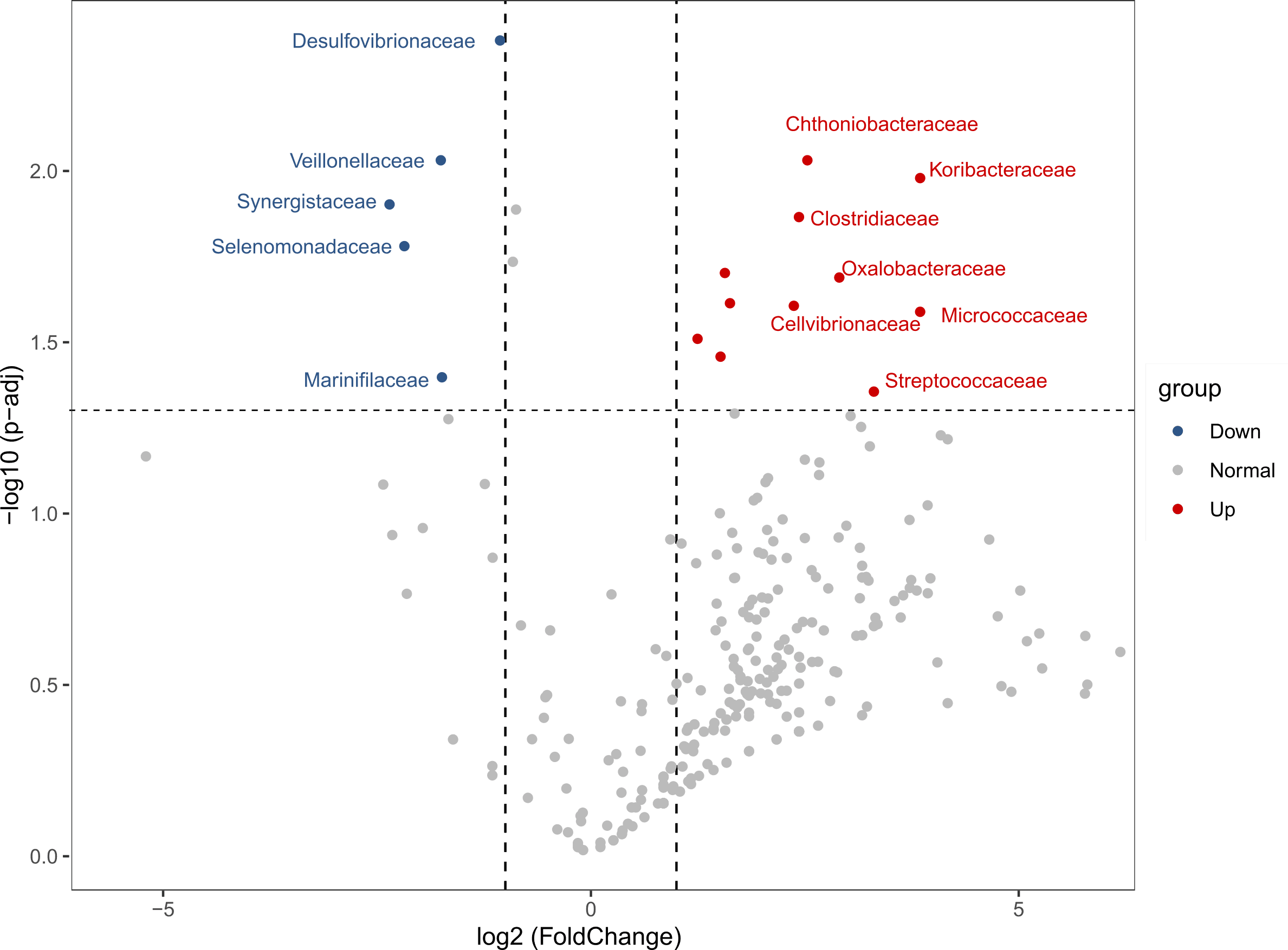
Differential Taxa Analysis

Highlight significantly changed taxa across comparison groups based on abundance differences.

Image
Image
1/1
Taxonomic Composition

Summarise microbial community composition across samples using taxonomic abundance profiles.

Image
Image
1/1
Taxa Heatmap

Compare abundance patterns of annotated taxa across samples and experimental groups.

Image
Image
1/1
Beta Diversity PCoA

Visualise differences in microbial community structure across samples or groups.

Image
Image
1/1
LEfSe Biomarker Analysis

Identify taxa that differ between groups and visualise potential microbial biomarkers.

Image
Image
1/1
Environmental Association

Explore associations between microbial community patterns and environmental or experimental factors.

Image
Image
1/1
Differential Taxa Analysis

Highlight significantly changed taxa across comparison groups based on abundance differences.

Image
Image
1/1
Taxonomic Composition

Summarise microbial community composition across samples using taxonomic abundance profiles.

Image
Image
1/1
Taxa Heatmap

Compare abundance patterns of annotated taxa across samples and experimental groups.

Image
Image
1/1
Beta Diversity PCoA

Visualise differences in microbial community structure across samples or groups.

Image
Image
1/1
LEfSe Biomarker Analysis

Identify taxa that differ between groups and visualise potential microbial biomarkers.

Image
Image
1/1
Environmental Association

Explore associations between microbial community patterns and environmental or experimental factors.

Image
Image
1/1
Differential Taxa Analysis

Highlight significantly changed taxa across comparison groups based on abundance differences.

Image
Image
1/1
Taxonomic Composition

Summarise microbial community composition across samples using taxonomic abundance profiles.

Image
Image
1/1
Taxa Heatmap

Compare abundance patterns of annotated taxa across samples and experimental groups.

Image
Image
1/1
Beta Diversity PCoA

Visualise differences in microbial community structure across samples or groups.

Image
Image
1/1
LEfSe Biomarker Analysis

Identify taxa that differ between groups and visualise potential microbial biomarkers.

Image
Image
1/1
Environmental Association

Explore associations between microbial community patterns and environmental or experimental factors.

Image
Image
1/1
Differential Taxa Analysis

Highlight significantly changed taxa across comparison groups based on abundance differences.

Webinars

Decoding Microbial Communities: Sequencing Solutions for Microbiome Research

Explore the latest approaches for studying microbial communities using amplicon sequencing, metagenomics, and metatranscriptomics. This webinar will highlight how these technologies can reveal microbial diversity, function, and interactions across human, environmental, and industrial ecosystems.

Learn More
(Decoding Microbial Communities: Sequencing Solutions for Microbiome Research)
Decoding Microbial Communities: Sequencing Solutions for Microbiome Research

Explore the latest approaches for studying microbial communities using amplicon sequencing, metagenomics, and metatranscriptomics. This webinar will highlight how these technologies can reveal microbial diversity, function, and interactions across human, environmental, and industrial ecosystems.

Learn More
(Decoding Microbial Communities: Sequencing Solutions for Microbiome Research)
Decoding Microbial Communities: Sequencing Solutions for Microbiome Research

Explore the latest approaches for studying microbial communities using amplicon sequencing, metagenomics, and metatranscriptomics. This webinar will highlight how these technologies can reveal microbial diversity, function, and interactions across human, environmental, and industrial ecosystems.

Learn More
(Decoding Microbial Communities: Sequencing Solutions for Microbiome Research)
Decoding Microbial Communities: Sequencing Solutions for Microbiome Research

Explore the latest approaches for studying microbial communities using amplicon sequencing, metagenomics, and metatranscriptomics. This webinar will highlight how these technologies can reveal microbial diversity, function, and interactions across human, environmental, and industrial ecosystems.

Learn More
(Decoding Microbial Communities: Sequencing Solutions for Microbiome Research)

Explore Microbiome Insights

Access webinars, brochures and case studies covering sequencing technologies, study planning and data interpretation.
View Webinar Library
(Explore Microbiome Insights)
View Webinar Library
(Explore Microbiome Insights)
Background
Background

Speak with a Specialist

Have a project in mind?


Send us your enquiry and a Novogene Europe specialist will be in touch.


Privacy PolicyCookie PolicyTerms
banner laptop bg
banner mobile bg

Amplicon Sequencing

Targeted 16S, 18S and ITS amplicon sequencing for microbial community profiling, diversity analysis and taxonomic comparison.
Place Order Now
(Amplicon Sequencing)
Place Order Now
(Amplicon Sequencing)
OverviewOverview
BenefitsBenefits
ApplicationsApplications
SpecificationsSpecifications
ResourcesResources

Amplicon sequencing uses PCR amplification of marker regions, such as 16S rRNA, 18S rRNA or ITS, to profile microbial communities across complex biological or environmental samples. It provides a targeted and cost-effective approach for comparing community composition, diversity and relative abundance across sample groups.


Novogene Europe supports short-read and full-length amplicon sequencing options, including Illumina-based 16S/18S/ITS profiling and PacBio full-length 16S/18S/ITS sequencing. Short-read amplicon sequencing is well suited for high-throughput community profiling across large sample sets, while full-length amplicon sequencing can support higher taxonomic resolution for selected study designs.

Service Highlights

Marker-gene Community Profiling

Profile microbial communities using targeted 16S, 18S or ITS marker regions to compare composition, diversity and relative abundance across samples.

Marker-gene Community Profiling

Profile microbial communities using targeted 16S, 18S or ITS marker regions to compare composition, diversity and relative abundance across samples.

Short-read and Full-length Options

Support Illumina short-read amplicon sequencing and PacBio full-length 16S/18S/ITS sequencing, depending on study goals and taxonomic resolution needs.

Short-read and Full-length Options

Support Illumina short-read amplicon sequencing and PacBio full-length 16S/18S/ITS sequencing, depending on study goals and taxonomic resolution needs.

Diversity and Taxonomic Analysis

Bioinformatics workflows support taxonomic annotation, alpha and beta diversity analysis, community comparison and visualisation of microbial composition.

Diversity and Taxonomic Analysis

Bioinformatics workflows support taxonomic annotation, alpha and beta diversity analysis, community comparison and visualisation of microbial composition.

NovoMagic Analysis Support

Selected 16S, ITS and 18S datasets can be explored through NovoMagic, supporting online analysis, visualisation and result interpretation.

NovoMagic Analysis Support

Selected 16S, ITS and 18S datasets can be explored through NovoMagic, supporting online analysis, visualisation and result interpretation.

Service Highlights

Marker-gene Community Profiling

Profile microbial communities using targeted 16S, 18S or ITS marker regions to compare composition, diversity and relative abundance across samples.

Marker-gene Community Profiling

Profile microbial communities using targeted 16S, 18S or ITS marker regions to compare composition, diversity and relative abundance across samples.

Short-read and Full-length Options

Support Illumina short-read amplicon sequencing and PacBio full-length 16S/18S/ITS sequencing, depending on study goals and taxonomic resolution needs.

Short-read and Full-length Options

Support Illumina short-read amplicon sequencing and PacBio full-length 16S/18S/ITS sequencing, depending on study goals and taxonomic resolution needs.

Diversity and Taxonomic Analysis

Bioinformatics workflows support taxonomic annotation, alpha and beta diversity analysis, community comparison and visualisation of microbial composition.

Diversity and Taxonomic Analysis

Bioinformatics workflows support taxonomic annotation, alpha and beta diversity analysis, community comparison and visualisation of microbial composition.

NovoMagic Analysis Support

Selected 16S, ITS and 18S datasets can be explored through NovoMagic, supporting online analysis, visualisation and result interpretation.

NovoMagic Analysis Support

Selected 16S, ITS and 18S datasets can be explored through NovoMagic, supporting online analysis, visualisation and result interpretation.

Applications

Microbiome Research

Amplicon sequencing helps researchers investigate microbial community composition and diversity across host-associated, environmental and experimental sample types.

Microbiome Research

Amplicon sequencing helps researchers investigate microbial community composition and diversity across host-associated, environmental and experimental sample types.

Environmental and Ecological Monitoring

Marker-gene profiling can support studies of microbial diversity in soil, water, marine, plant-associated and other ecosystem samples, helping researchers track community shifts across environments.

Environmental and Ecological Monitoring

Marker-gene profiling can support studies of microbial diversity in soil, water, marine, plant-associated and other ecosystem samples, helping researchers track community shifts across environments.

Host–Microbe Interaction Studies

Quantify microbial abundance, richness, and evenness, and compare community composition across samples or experimental groups.

Host–Microbe Interaction Studies

Quantify microbial abundance, richness, and evenness, and compare community composition across samples or experimental groups.

Agriculture, Food and Industrial Microbiology

Amplicon sequencing supports microbial community analysis in agricultural systems, food-related samples, fermentation studies and other applied microbiology contexts.

Agriculture, Food and Industrial Microbiology

Amplicon sequencing supports microbial community analysis in agricultural systems, food-related samples, fermentation studies and other applied microbiology contexts.

Applications

Microbiome Research

Amplicon sequencing helps researchers investigate microbial community composition and diversity across host-associated, environmental and experimental sample types.

Microbiome Research

Amplicon sequencing helps researchers investigate microbial community composition and diversity across host-associated, environmental and experimental sample types.

Environmental and Ecological Monitoring

Marker-gene profiling can support studies of microbial diversity in soil, water, marine, plant-associated and other ecosystem samples, helping researchers track community shifts across environments.

Environmental and Ecological Monitoring

Marker-gene profiling can support studies of microbial diversity in soil, water, marine, plant-associated and other ecosystem samples, helping researchers track community shifts across environments.

Host–Microbe Interaction Studies

Quantify microbial abundance, richness, and evenness, and compare community composition across samples or experimental groups.

Host–Microbe Interaction Studies

Quantify microbial abundance, richness, and evenness, and compare community composition across samples or experimental groups.

Agriculture, Food and Industrial Microbiology

Amplicon sequencing supports microbial community analysis in agricultural systems, food-related samples, fermentation studies and other applied microbiology contexts.

Agriculture, Food and Industrial Microbiology

Amplicon sequencing supports microbial community analysis in agricultural systems, food-related samples, fermentation studies and other applied microbiology contexts.

Specifications

Sample Requirements

The quantities listed are provided for reference only. Please download the Sample Requirements for detailed guidance, or contact us to discuss your project-specific requirements.

ServiceSample TypeMinimum AmountMinimum VolumeRecommended ConcentrationPurity
Amplicon Metagenomic SequencingGenomic DNA≥ 200 ng≥ 20 μL≥ 5 ng/μLOD260/280 = 1.8-2.0.
no degradation, no contamination
PacBio Full -Length
16S/18S/ITS
Genomic DNA≥ 150 ng≥ 30 μL≥ 10 ng/μLOD260/280 = 1.8-2.0.
no degradation, no contamination

Sample Requirements

The quantities listed are provided for reference only. Please download the Sample Requirements for detailed guidance, or contact us to discuss your project-specific requirements.

ServiceSample TypeMinimum AmountMinimum VolumeRecommended ConcentrationPurity
Amplicon Metagenomic SequencingGenomic DNA≥ 200 ng≥ 20 μL≥ 5 ng/μLOD260/280 = 1.8-2.0.
no degradation, no contamination
PacBio Full -Length
16S/18S/ITS
Genomic DNA≥ 150 ng≥ 30 μL≥ 10 ng/μLOD260/280 = 1.8-2.0.
no degradation, no contamination

Sample Requirements

The quantities listed are provided for reference only. Please download the Sample Requirements for detailed guidance, or contact us to discuss your project-specific requirements.

ServiceSample TypeMinimum AmountMinimum VolumeRecommended ConcentrationPurity
Amplicon Metagenomic SequencingGenomic DNA≥ 200 ng≥ 20 μL≥ 5 ng/μLOD260/280 = 1.8-2.0.
no degradation, no contamination
PacBio Full -Length
16S/18S/ITS
Genomic DNA≥ 150 ng≥ 30 μL≥ 10 ng/μLOD260/280 = 1.8-2.0.
no degradation, no contamination

Sample Requirements

The quantities listed are provided for reference only. Please download the Sample Requirements for detailed guidance, or contact us to discuss your project-specific requirements.

ServiceSample TypeMinimum AmountMinimum VolumeRecommended ConcentrationPurity
Amplicon Metagenomic SequencingGenomic DNA≥ 200 ng≥ 20 μL≥ 5 ng/μLOD260/280 = 1.8-2.0.
no degradation, no contamination
PacBio Full -Length
16S/18S/ITS
Genomic DNA≥ 150 ng≥ 30 μL≥ 10 ng/μLOD260/280 = 1.8-2.0.
no degradation, no contamination

Sequencing and Analysis

Recommended data outputs and analysis examples are provided for reference only. For detailed information, please contact us to discuss your project-specific analysis requirements.

ServiceAmplicon Metagenomic SequencingPacBio Full -Length 16S/18S/ITS
Sequencing PlatformIllumina NovaSeq SystemPacBio Revio
Sequencing StrategyNovaSeq Reagent (500 Cycles)CCS (Circular Consensus Sequencing) Mode
Data Output50K/100K/500K raw tags10K/20K/30K/50K/100k clean reads
Qiime1 or Qiime2Core AnalysisData Quality Control
OTU/ASV Clustering
Taxonomic Annotation
Alpha diversity analysis (rarefaction curve, species boxplot)
Beta Diversity Analyses (UPGMA, PCA, PCoA, NMDS)
Community Differences Analyses (Anosim, MRPP, Adonis, Simper)
Statistical Analyses (T-Test, MetaGenomSeq, Wilcoxon test, Kruskal-Wallis Test, LEfSe)
Function Prediction (Qiime2 Only)
Community Assembly Mechanisms( beta NTI, NST, iCAMP)
Qiime 2 Analysis - DADA2 denoise, OTU/ASV annotation and relative abundance analysis
Alpha diversity analysis (rarefaction curve, species boxplot)
Beta diversity analysis (heatmap, PCoA, PCA, NMDS)
Comparative analysis between groups and within group (Adonis, Anosim, t-test, MetaGenomeSeq, LEfSe)
Function prediction
Advanced AnalysisEnvironmental association analysis (Spearman, CCA/RDA, VPA analysis)
Correlation analysis (Network analysis, Network3D)

Sequencing and Analysis

Recommended data outputs and analysis examples are provided for reference only. For detailed information, please contact us to discuss your project-specific analysis requirements.

ServiceAmplicon Metagenomic SequencingPacBio Full -Length 16S/18S/ITS
Sequencing PlatformIllumina NovaSeq SystemPacBio Revio
Sequencing StrategyNovaSeq Reagent (500 Cycles)CCS (Circular Consensus Sequencing) Mode
Data Output50K/100K/500K raw tags10K/20K/30K/50K/100k clean reads
Qiime1 or Qiime2Core AnalysisData Quality Control
OTU/ASV Clustering
Taxonomic Annotation
Alpha diversity analysis (rarefaction curve, species boxplot)
Beta Diversity Analyses (UPGMA, PCA, PCoA, NMDS)
Community Differences Analyses (Anosim, MRPP, Adonis, Simper)
Statistical Analyses (T-Test, MetaGenomSeq, Wilcoxon test, Kruskal-Wallis Test, LEfSe)
Function Prediction (Qiime2 Only)
Community Assembly Mechanisms( beta NTI, NST, iCAMP)
Qiime 2 Analysis - DADA2 denoise, OTU/ASV annotation and relative abundance analysis
Alpha diversity analysis (rarefaction curve, species boxplot)
Beta diversity analysis (heatmap, PCoA, PCA, NMDS)
Comparative analysis between groups and within group (Adonis, Anosim, t-test, MetaGenomeSeq, LEfSe)
Function prediction
Advanced AnalysisEnvironmental association analysis (Spearman, CCA/RDA, VPA analysis)
Correlation analysis (Network analysis, Network3D)

Sequencing and Analysis

Recommended data outputs and analysis examples are provided for reference only. For detailed information, please contact us to discuss your project-specific analysis requirements.

ServiceAmplicon Metagenomic SequencingPacBio Full -Length 16S/18S/ITS
Sequencing PlatformIllumina NovaSeq SystemPacBio Revio
Sequencing StrategyNovaSeq Reagent (500 Cycles)CCS (Circular Consensus Sequencing) Mode
Data Output50K/100K/500K raw tags10K/20K/30K/50K/100k clean reads
Qiime1 or Qiime2Core AnalysisData Quality Control
OTU/ASV Clustering
Taxonomic Annotation
Alpha diversity analysis (rarefaction curve, species boxplot)
Beta Diversity Analyses (UPGMA, PCA, PCoA, NMDS)
Community Differences Analyses (Anosim, MRPP, Adonis, Simper)
Statistical Analyses (T-Test, MetaGenomSeq, Wilcoxon test, Kruskal-Wallis Test, LEfSe)
Function Prediction (Qiime2 Only)
Community Assembly Mechanisms( beta NTI, NST, iCAMP)
Qiime 2 Analysis - DADA2 denoise, OTU/ASV annotation and relative abundance analysis
Alpha diversity analysis (rarefaction curve, species boxplot)
Beta diversity analysis (heatmap, PCoA, PCA, NMDS)
Comparative analysis between groups and within group (Adonis, Anosim, t-test, MetaGenomeSeq, LEfSe)
Function prediction
Advanced AnalysisEnvironmental association analysis (Spearman, CCA/RDA, VPA analysis)
Correlation analysis (Network analysis, Network3D)

Sequencing and Analysis

Recommended data outputs and analysis examples are provided for reference only. For detailed information, please contact us to discuss your project-specific analysis requirements.

ServiceAmplicon Metagenomic SequencingPacBio Full -Length 16S/18S/ITS
Sequencing PlatformIllumina NovaSeq SystemPacBio Revio
Sequencing StrategyNovaSeq Reagent (500 Cycles)CCS (Circular Consensus Sequencing) Mode
Data Output50K/100K/500K raw tags10K/20K/30K/50K/100k clean reads
Qiime1 or Qiime2Core AnalysisData Quality Control
OTU/ASV Clustering
Taxonomic Annotation
Alpha diversity analysis (rarefaction curve, species boxplot)
Beta Diversity Analyses (UPGMA, PCA, PCoA, NMDS)
Community Differences Analyses (Anosim, MRPP, Adonis, Simper)
Statistical Analyses (T-Test, MetaGenomSeq, Wilcoxon test, Kruskal-Wallis Test, LEfSe)
Function Prediction (Qiime2 Only)
Community Assembly Mechanisms( beta NTI, NST, iCAMP)
Qiime 2 Analysis - DADA2 denoise, OTU/ASV annotation and relative abundance analysis
Alpha diversity analysis (rarefaction curve, species boxplot)
Beta diversity analysis (heatmap, PCoA, PCA, NMDS)
Comparative analysis between groups and within group (Adonis, Anosim, t-test, MetaGenomeSeq, LEfSe)
Function prediction
Advanced AnalysisEnvironmental association analysis (Spearman, CCA/RDA, VPA analysis)
Correlation analysis (Network analysis, Network3D)

Primers applied to Amplicon Metagenomic Sequencing

TypesAmplified RegionFragment LengthPrimersSequences (5’- 3’)
Bacterial 16SV4300 bp515FGTGCCAGCMGCCGCGGTAA
806RGGACTACHVGGGTWTCTAAT
V3-V4470 bp341FCCTAYGGGRBGCASCAG
806RGGACTACNNGGGTATCTAAT
V4-V5450 bp515FGTGCCAGCMGCCGCGGTAA
907RCCGTCAATTCCTTTGAGTTT
V5-V7 (for endophytic)435 bp799FAACMGGATTAGATACCCKG
1193RACGTCATCCCCACCTTCC
16S Full Length (V1-V9)~1500 bpFAGRGTTYGATYMTGGCTCAG
RRGYTACCTTGTTACGACTT
Archaea V4
(AKA. Novel Archaea V4)
V4-V5415 bpArch519FCAGCCGCCGCGGTAA
Arch915RGTGCTCCCCCGCCAATTCCT
Fungal 18SV4350 bp528FGCGGTAATTCCAGCTCCAA
706RAATCCRAGAATTTCACCTCT
18S Full length V1-V9~1800 - 2000 bpEuk-AAACCTGGTTGATCCTGCCAGT
Euk-BGATCCTTCTGCAGGTTCACCTAC
ITS1200-400 bpITS5-1737FGGAAGTAAAAGTCGTAACAAGG
ITS2-2043RGCTGCGTTCTTCATCGATGC
ITS2380 bpITS3-2024FGCATCGATGAAGAACGCAGC
ITS4-2409RTCCTCCGCTTATTGATATGC
Fungal ITSITS1-1F (for endophytic)200-400 bpITS1-1F-FCTTGGTCATTTAGAGGAAGTAA
ITS1-1F-RGCTGCGTTCTTCATCGATGC
ITS Full length (1-2)~500 - 800 bpITS9munngsTACACACCGCCCGTCG
ITS4ngsUniCCTSCSCTTANTDATATGC

Primers applied to Amplicon Metagenomic Sequencing

TypesAmplified RegionFragment LengthPrimersSequences (5’- 3’)
Bacterial 16SV4300 bp515FGTGCCAGCMGCCGCGGTAA
806RGGACTACHVGGGTWTCTAAT
V3-V4470 bp341FCCTAYGGGRBGCASCAG
806RGGACTACNNGGGTATCTAAT
V4-V5450 bp515FGTGCCAGCMGCCGCGGTAA
907RCCGTCAATTCCTTTGAGTTT
V5-V7 (for endophytic)435 bp799FAACMGGATTAGATACCCKG
1193RACGTCATCCCCACCTTCC
16S Full Length (V1-V9)~1500 bpFAGRGTTYGATYMTGGCTCAG
RRGYTACCTTGTTACGACTT
Archaea V4
(AKA. Novel Archaea V4)
V4-V5415 bpArch519FCAGCCGCCGCGGTAA
Arch915RGTGCTCCCCCGCCAATTCCT
Fungal 18SV4350 bp528FGCGGTAATTCCAGCTCCAA
706RAATCCRAGAATTTCACCTCT
18S Full length V1-V9~1800 - 2000 bpEuk-AAACCTGGTTGATCCTGCCAGT
Euk-BGATCCTTCTGCAGGTTCACCTAC
ITS1200-400 bpITS5-1737FGGAAGTAAAAGTCGTAACAAGG
ITS2-2043RGCTGCGTTCTTCATCGATGC
ITS2380 bpITS3-2024FGCATCGATGAAGAACGCAGC
ITS4-2409RTCCTCCGCTTATTGATATGC
Fungal ITSITS1-1F (for endophytic)200-400 bpITS1-1F-FCTTGGTCATTTAGAGGAAGTAA
ITS1-1F-RGCTGCGTTCTTCATCGATGC
ITS Full length (1-2)~500 - 800 bpITS9munngsTACACACCGCCCGTCG
ITS4ngsUniCCTSCSCTTANTDATATGC

Primers applied to Amplicon Metagenomic Sequencing

TypesAmplified RegionFragment LengthPrimersSequences (5’- 3’)
Bacterial 16SV4300 bp515FGTGCCAGCMGCCGCGGTAA
806RGGACTACHVGGGTWTCTAAT
V3-V4470 bp341FCCTAYGGGRBGCASCAG
806RGGACTACNNGGGTATCTAAT
V4-V5450 bp515FGTGCCAGCMGCCGCGGTAA
907RCCGTCAATTCCTTTGAGTTT
V5-V7 (for endophytic)435 bp799FAACMGGATTAGATACCCKG
1193RACGTCATCCCCACCTTCC
16S Full Length (V1-V9)~1500 bpFAGRGTTYGATYMTGGCTCAG
RRGYTACCTTGTTACGACTT
Archaea V4
(AKA. Novel Archaea V4)
V4-V5415 bpArch519FCAGCCGCCGCGGTAA
Arch915RGTGCTCCCCCGCCAATTCCT
Fungal 18SV4350 bp528FGCGGTAATTCCAGCTCCAA
706RAATCCRAGAATTTCACCTCT
18S Full length V1-V9~1800 - 2000 bpEuk-AAACCTGGTTGATCCTGCCAGT
Euk-BGATCCTTCTGCAGGTTCACCTAC
ITS1200-400 bpITS5-1737FGGAAGTAAAAGTCGTAACAAGG
ITS2-2043RGCTGCGTTCTTCATCGATGC
ITS2380 bpITS3-2024FGCATCGATGAAGAACGCAGC
ITS4-2409RTCCTCCGCTTATTGATATGC
Fungal ITSITS1-1F (for endophytic)200-400 bpITS1-1F-FCTTGGTCATTTAGAGGAAGTAA
ITS1-1F-RGCTGCGTTCTTCATCGATGC
ITS Full length (1-2)~500 - 800 bpITS9munngsTACACACCGCCCGTCG
ITS4ngsUniCCTSCSCTTANTDATATGC

Primers applied to Amplicon Metagenomic Sequencing

TypesAmplified RegionFragment LengthPrimersSequences (5’- 3’)
Bacterial 16SV4300 bp515FGTGCCAGCMGCCGCGGTAA
806RGGACTACHVGGGTWTCTAAT
V3-V4470 bp341FCCTAYGGGRBGCASCAG
806RGGACTACNNGGGTATCTAAT
V4-V5450 bp515FGTGCCAGCMGCCGCGGTAA
907RCCGTCAATTCCTTTGAGTTT
V5-V7 (for endophytic)435 bp799FAACMGGATTAGATACCCKG
1193RACGTCATCCCCACCTTCC
16S Full Length (V1-V9)~1500 bpFAGRGTTYGATYMTGGCTCAG
RRGYTACCTTGTTACGACTT
Archaea V4
(AKA. Novel Archaea V4)
V4-V5415 bpArch519FCAGCCGCCGCGGTAA
Arch915RGTGCTCCCCCGCCAATTCCT
Fungal 18SV4350 bp528FGCGGTAATTCCAGCTCCAA
706RAATCCRAGAATTTCACCTCT
18S Full length V1-V9~1800 - 2000 bpEuk-AAACCTGGTTGATCCTGCCAGT
Euk-BGATCCTTCTGCAGGTTCACCTAC
ITS1200-400 bpITS5-1737FGGAAGTAAAAGTCGTAACAAGG
ITS2-2043RGCTGCGTTCTTCATCGATGC
ITS2380 bpITS3-2024FGCATCGATGAAGAACGCAGC
ITS4-2409RTCCTCCGCTTATTGATATGC
Fungal ITSITS1-1F (for endophytic)200-400 bpITS1-1F-FCTTGGTCATTTAGAGGAAGTAA
ITS1-1F-RGCTGCGTTCTTCATCGATGC
ITS Full length (1-2)~500 - 800 bpITS9munngsTACACACCGCCCGTCG
ITS4ngsUniCCTSCSCTTANTDATATGC

Specifications

Sample Requirements

The quantities listed are provided for reference only. Please download the Sample Requirements for detailed guidance, or contact us to discuss your project-specific requirements.

ServiceSample TypeMinimum AmountMinimum VolumeRecommended ConcentrationPurity
Amplicon Metagenomic SequencingGenomic DNA≥ 200 ng≥ 20 μL≥ 5 ng/μLOD260/280 = 1.8-2.0.
no degradation, no contamination
PacBio Full -Length
16S/18S/ITS
Genomic DNA≥ 150 ng≥ 30 μL≥ 10 ng/μLOD260/280 = 1.8-2.0.
no degradation, no contamination

Sample Requirements

The quantities listed are provided for reference only. Please download the Sample Requirements for detailed guidance, or contact us to discuss your project-specific requirements.

ServiceSample TypeMinimum AmountMinimum VolumeRecommended ConcentrationPurity
Amplicon Metagenomic SequencingGenomic DNA≥ 200 ng≥ 20 μL≥ 5 ng/μLOD260/280 = 1.8-2.0.
no degradation, no contamination
PacBio Full -Length
16S/18S/ITS
Genomic DNA≥ 150 ng≥ 30 μL≥ 10 ng/μLOD260/280 = 1.8-2.0.
no degradation, no contamination

Sample Requirements

The quantities listed are provided for reference only. Please download the Sample Requirements for detailed guidance, or contact us to discuss your project-specific requirements.

ServiceSample TypeMinimum AmountMinimum VolumeRecommended ConcentrationPurity
Amplicon Metagenomic SequencingGenomic DNA≥ 200 ng≥ 20 μL≥ 5 ng/μLOD260/280 = 1.8-2.0.
no degradation, no contamination
PacBio Full -Length
16S/18S/ITS
Genomic DNA≥ 150 ng≥ 30 μL≥ 10 ng/μLOD260/280 = 1.8-2.0.
no degradation, no contamination

Sample Requirements

The quantities listed are provided for reference only. Please download the Sample Requirements for detailed guidance, or contact us to discuss your project-specific requirements.

ServiceSample TypeMinimum AmountMinimum VolumeRecommended ConcentrationPurity
Amplicon Metagenomic SequencingGenomic DNA≥ 200 ng≥ 20 μL≥ 5 ng/μLOD260/280 = 1.8-2.0.
no degradation, no contamination
PacBio Full -Length
16S/18S/ITS
Genomic DNA≥ 150 ng≥ 30 μL≥ 10 ng/μLOD260/280 = 1.8-2.0.
no degradation, no contamination

Sequencing and Analysis

Recommended data outputs and analysis examples are provided for reference only. For detailed information, please contact us to discuss your project-specific analysis requirements.

ServiceAmplicon Metagenomic SequencingPacBio Full -Length 16S/18S/ITS
Sequencing PlatformIllumina NovaSeq SystemPacBio Revio
Sequencing StrategyNovaSeq Reagent (500 Cycles)CCS (Circular Consensus Sequencing) Mode
Data Output50K/100K/500K raw tags10K/20K/30K/50K/100k clean reads
Qiime1 or Qiime2Core AnalysisData Quality Control
OTU/ASV Clustering
Taxonomic Annotation
Alpha diversity analysis (rarefaction curve, species boxplot)
Beta Diversity Analyses (UPGMA, PCA, PCoA, NMDS)
Community Differences Analyses (Anosim, MRPP, Adonis, Simper)
Statistical Analyses (T-Test, MetaGenomSeq, Wilcoxon test, Kruskal-Wallis Test, LEfSe)
Function Prediction (Qiime2 Only)
Community Assembly Mechanisms( beta NTI, NST, iCAMP)
Qiime 2 Analysis - DADA2 denoise, OTU/ASV annotation and relative abundance analysis
Alpha diversity analysis (rarefaction curve, species boxplot)
Beta diversity analysis (heatmap, PCoA, PCA, NMDS)
Comparative analysis between groups and within group (Adonis, Anosim, t-test, MetaGenomeSeq, LEfSe)
Function prediction
Advanced AnalysisEnvironmental association analysis (Spearman, CCA/RDA, VPA analysis)
Correlation analysis (Network analysis, Network3D)

Sequencing and Analysis

Recommended data outputs and analysis examples are provided for reference only. For detailed information, please contact us to discuss your project-specific analysis requirements.

ServiceAmplicon Metagenomic SequencingPacBio Full -Length 16S/18S/ITS
Sequencing PlatformIllumina NovaSeq SystemPacBio Revio
Sequencing StrategyNovaSeq Reagent (500 Cycles)CCS (Circular Consensus Sequencing) Mode
Data Output50K/100K/500K raw tags10K/20K/30K/50K/100k clean reads
Qiime1 or Qiime2Core AnalysisData Quality Control
OTU/ASV Clustering
Taxonomic Annotation
Alpha diversity analysis (rarefaction curve, species boxplot)
Beta Diversity Analyses (UPGMA, PCA, PCoA, NMDS)
Community Differences Analyses (Anosim, MRPP, Adonis, Simper)
Statistical Analyses (T-Test, MetaGenomSeq, Wilcoxon test, Kruskal-Wallis Test, LEfSe)
Function Prediction (Qiime2 Only)
Community Assembly Mechanisms( beta NTI, NST, iCAMP)
Qiime 2 Analysis - DADA2 denoise, OTU/ASV annotation and relative abundance analysis
Alpha diversity analysis (rarefaction curve, species boxplot)
Beta diversity analysis (heatmap, PCoA, PCA, NMDS)
Comparative analysis between groups and within group (Adonis, Anosim, t-test, MetaGenomeSeq, LEfSe)
Function prediction
Advanced AnalysisEnvironmental association analysis (Spearman, CCA/RDA, VPA analysis)
Correlation analysis (Network analysis, Network3D)

Sequencing and Analysis

Recommended data outputs and analysis examples are provided for reference only. For detailed information, please contact us to discuss your project-specific analysis requirements.

ServiceAmplicon Metagenomic SequencingPacBio Full -Length 16S/18S/ITS
Sequencing PlatformIllumina NovaSeq SystemPacBio Revio
Sequencing StrategyNovaSeq Reagent (500 Cycles)CCS (Circular Consensus Sequencing) Mode
Data Output50K/100K/500K raw tags10K/20K/30K/50K/100k clean reads
Qiime1 or Qiime2Core AnalysisData Quality Control
OTU/ASV Clustering
Taxonomic Annotation
Alpha diversity analysis (rarefaction curve, species boxplot)
Beta Diversity Analyses (UPGMA, PCA, PCoA, NMDS)
Community Differences Analyses (Anosim, MRPP, Adonis, Simper)
Statistical Analyses (T-Test, MetaGenomSeq, Wilcoxon test, Kruskal-Wallis Test, LEfSe)
Function Prediction (Qiime2 Only)
Community Assembly Mechanisms( beta NTI, NST, iCAMP)
Qiime 2 Analysis - DADA2 denoise, OTU/ASV annotation and relative abundance analysis
Alpha diversity analysis (rarefaction curve, species boxplot)
Beta diversity analysis (heatmap, PCoA, PCA, NMDS)
Comparative analysis between groups and within group (Adonis, Anosim, t-test, MetaGenomeSeq, LEfSe)
Function prediction
Advanced AnalysisEnvironmental association analysis (Spearman, CCA/RDA, VPA analysis)
Correlation analysis (Network analysis, Network3D)

Sequencing and Analysis

Recommended data outputs and analysis examples are provided for reference only. For detailed information, please contact us to discuss your project-specific analysis requirements.

ServiceAmplicon Metagenomic SequencingPacBio Full -Length 16S/18S/ITS
Sequencing PlatformIllumina NovaSeq SystemPacBio Revio
Sequencing StrategyNovaSeq Reagent (500 Cycles)CCS (Circular Consensus Sequencing) Mode
Data Output50K/100K/500K raw tags10K/20K/30K/50K/100k clean reads
Qiime1 or Qiime2Core AnalysisData Quality Control
OTU/ASV Clustering
Taxonomic Annotation
Alpha diversity analysis (rarefaction curve, species boxplot)
Beta Diversity Analyses (UPGMA, PCA, PCoA, NMDS)
Community Differences Analyses (Anosim, MRPP, Adonis, Simper)
Statistical Analyses (T-Test, MetaGenomSeq, Wilcoxon test, Kruskal-Wallis Test, LEfSe)
Function Prediction (Qiime2 Only)
Community Assembly Mechanisms( beta NTI, NST, iCAMP)
Qiime 2 Analysis - DADA2 denoise, OTU/ASV annotation and relative abundance analysis
Alpha diversity analysis (rarefaction curve, species boxplot)
Beta diversity analysis (heatmap, PCoA, PCA, NMDS)
Comparative analysis between groups and within group (Adonis, Anosim, t-test, MetaGenomeSeq, LEfSe)
Function prediction
Advanced AnalysisEnvironmental association analysis (Spearman, CCA/RDA, VPA analysis)
Correlation analysis (Network analysis, Network3D)

Primers applied to Amplicon Metagenomic Sequencing

TypesAmplified RegionFragment LengthPrimersSequences (5’- 3’)
Bacterial 16SV4300 bp515FGTGCCAGCMGCCGCGGTAA
806RGGACTACHVGGGTWTCTAAT
V3-V4470 bp341FCCTAYGGGRBGCASCAG
806RGGACTACNNGGGTATCTAAT
V4-V5450 bp515FGTGCCAGCMGCCGCGGTAA
907RCCGTCAATTCCTTTGAGTTT
V5-V7 (for endophytic)435 bp799FAACMGGATTAGATACCCKG
1193RACGTCATCCCCACCTTCC
16S Full Length (V1-V9)~1500 bpFAGRGTTYGATYMTGGCTCAG
RRGYTACCTTGTTACGACTT
Archaea V4
(AKA. Novel Archaea V4)
V4-V5415 bpArch519FCAGCCGCCGCGGTAA
Arch915RGTGCTCCCCCGCCAATTCCT
Fungal 18SV4350 bp528FGCGGTAATTCCAGCTCCAA
706RAATCCRAGAATTTCACCTCT
18S Full length V1-V9~1800 - 2000 bpEuk-AAACCTGGTTGATCCTGCCAGT
Euk-BGATCCTTCTGCAGGTTCACCTAC
ITS1200-400 bpITS5-1737FGGAAGTAAAAGTCGTAACAAGG
ITS2-2043RGCTGCGTTCTTCATCGATGC
ITS2380 bpITS3-2024FGCATCGATGAAGAACGCAGC
ITS4-2409RTCCTCCGCTTATTGATATGC
Fungal ITSITS1-1F (for endophytic)200-400 bpITS1-1F-FCTTGGTCATTTAGAGGAAGTAA
ITS1-1F-RGCTGCGTTCTTCATCGATGC
ITS Full length (1-2)~500 - 800 bpITS9munngsTACACACCGCCCGTCG
ITS4ngsUniCCTSCSCTTANTDATATGC

Primers applied to Amplicon Metagenomic Sequencing

TypesAmplified RegionFragment LengthPrimersSequences (5’- 3’)
Bacterial 16SV4300 bp515FGTGCCAGCMGCCGCGGTAA
806RGGACTACHVGGGTWTCTAAT
V3-V4470 bp341FCCTAYGGGRBGCASCAG
806RGGACTACNNGGGTATCTAAT
V4-V5450 bp515FGTGCCAGCMGCCGCGGTAA
907RCCGTCAATTCCTTTGAGTTT
V5-V7 (for endophytic)435 bp799FAACMGGATTAGATACCCKG
1193RACGTCATCCCCACCTTCC
16S Full Length (V1-V9)~1500 bpFAGRGTTYGATYMTGGCTCAG
RRGYTACCTTGTTACGACTT
Archaea V4
(AKA. Novel Archaea V4)
V4-V5415 bpArch519FCAGCCGCCGCGGTAA
Arch915RGTGCTCCCCCGCCAATTCCT
Fungal 18SV4350 bp528FGCGGTAATTCCAGCTCCAA
706RAATCCRAGAATTTCACCTCT
18S Full length V1-V9~1800 - 2000 bpEuk-AAACCTGGTTGATCCTGCCAGT
Euk-BGATCCTTCTGCAGGTTCACCTAC
ITS1200-400 bpITS5-1737FGGAAGTAAAAGTCGTAACAAGG
ITS2-2043RGCTGCGTTCTTCATCGATGC
ITS2380 bpITS3-2024FGCATCGATGAAGAACGCAGC
ITS4-2409RTCCTCCGCTTATTGATATGC
Fungal ITSITS1-1F (for endophytic)200-400 bpITS1-1F-FCTTGGTCATTTAGAGGAAGTAA
ITS1-1F-RGCTGCGTTCTTCATCGATGC
ITS Full length (1-2)~500 - 800 bpITS9munngsTACACACCGCCCGTCG
ITS4ngsUniCCTSCSCTTANTDATATGC

Primers applied to Amplicon Metagenomic Sequencing

TypesAmplified RegionFragment LengthPrimersSequences (5’- 3’)
Bacterial 16SV4300 bp515FGTGCCAGCMGCCGCGGTAA
806RGGACTACHVGGGTWTCTAAT
V3-V4470 bp341FCCTAYGGGRBGCASCAG
806RGGACTACNNGGGTATCTAAT
V4-V5450 bp515FGTGCCAGCMGCCGCGGTAA
907RCCGTCAATTCCTTTGAGTTT
V5-V7 (for endophytic)435 bp799FAACMGGATTAGATACCCKG
1193RACGTCATCCCCACCTTCC
16S Full Length (V1-V9)~1500 bpFAGRGTTYGATYMTGGCTCAG
RRGYTACCTTGTTACGACTT
Archaea V4
(AKA. Novel Archaea V4)
V4-V5415 bpArch519FCAGCCGCCGCGGTAA
Arch915RGTGCTCCCCCGCCAATTCCT
Fungal 18SV4350 bp528FGCGGTAATTCCAGCTCCAA
706RAATCCRAGAATTTCACCTCT
18S Full length V1-V9~1800 - 2000 bpEuk-AAACCTGGTTGATCCTGCCAGT
Euk-BGATCCTTCTGCAGGTTCACCTAC
ITS1200-400 bpITS5-1737FGGAAGTAAAAGTCGTAACAAGG
ITS2-2043RGCTGCGTTCTTCATCGATGC
ITS2380 bpITS3-2024FGCATCGATGAAGAACGCAGC
ITS4-2409RTCCTCCGCTTATTGATATGC
Fungal ITSITS1-1F (for endophytic)200-400 bpITS1-1F-FCTTGGTCATTTAGAGGAAGTAA
ITS1-1F-RGCTGCGTTCTTCATCGATGC
ITS Full length (1-2)~500 - 800 bpITS9munngsTACACACCGCCCGTCG
ITS4ngsUniCCTSCSCTTANTDATATGC

Primers applied to Amplicon Metagenomic Sequencing

TypesAmplified RegionFragment LengthPrimersSequences (5’- 3’)
Bacterial 16SV4300 bp515FGTGCCAGCMGCCGCGGTAA
806RGGACTACHVGGGTWTCTAAT
V3-V4470 bp341FCCTAYGGGRBGCASCAG
806RGGACTACNNGGGTATCTAAT
V4-V5450 bp515FGTGCCAGCMGCCGCGGTAA
907RCCGTCAATTCCTTTGAGTTT
V5-V7 (for endophytic)435 bp799FAACMGGATTAGATACCCKG
1193RACGTCATCCCCACCTTCC
16S Full Length (V1-V9)~1500 bpFAGRGTTYGATYMTGGCTCAG
RRGYTACCTTGTTACGACTT
Archaea V4
(AKA. Novel Archaea V4)
V4-V5415 bpArch519FCAGCCGCCGCGGTAA
Arch915RGTGCTCCCCCGCCAATTCCT
Fungal 18SV4350 bp528FGCGGTAATTCCAGCTCCAA
706RAATCCRAGAATTTCACCTCT
18S Full length V1-V9~1800 - 2000 bpEuk-AAACCTGGTTGATCCTGCCAGT
Euk-BGATCCTTCTGCAGGTTCACCTAC
ITS1200-400 bpITS5-1737FGGAAGTAAAAGTCGTAACAAGG
ITS2-2043RGCTGCGTTCTTCATCGATGC
ITS2380 bpITS3-2024FGCATCGATGAAGAACGCAGC
ITS4-2409RTCCTCCGCTTATTGATATGC
Fungal ITSITS1-1F (for endophytic)200-400 bpITS1-1F-FCTTGGTCATTTAGAGGAAGTAA
ITS1-1F-RGCTGCGTTCTTCATCGATGC
ITS Full length (1-2)~500 - 800 bpITS9munngsTACACACCGCCCGTCG
ITS4ngsUniCCTSCSCTTANTDATATGC

Resources

Example Analysis Output

Image
Image
1/1
Taxonomic Composition

Summarise microbial community composition across samples using taxonomic abundance profiles.

Image
Image
1/1
Taxa Heatmap

Compare abundance patterns of annotated taxa across samples and experimental groups.

Image
Image
1/1
Beta Diversity PCoA

Visualise differences in microbial community structure across samples or groups.

Image
Image
1/1
LEfSe Biomarker Analysis

Identify taxa that differ between groups and visualise potential microbial biomarkers.

Image
Image
1/1
Environmental Association

Explore associations between microbial community patterns and environmental or experimental factors.

Image
Image
1/1
Differential Taxa Analysis

Highlight significantly changed taxa across comparison groups based on abundance differences.

Image
Image
1/1
Taxonomic Composition

Summarise microbial community composition across samples using taxonomic abundance profiles.

Image
Image
1/1
Taxa Heatmap

Compare abundance patterns of annotated taxa across samples and experimental groups.

Image
Image
1/1
Beta Diversity PCoA

Visualise differences in microbial community structure across samples or groups.

Image
Image
1/1
LEfSe Biomarker Analysis

Identify taxa that differ between groups and visualise potential microbial biomarkers.

Image
Image
1/1
Environmental Association

Explore associations between microbial community patterns and environmental or experimental factors.

Image
Image
1/1
Differential Taxa Analysis

Highlight significantly changed taxa across comparison groups based on abundance differences.

Image
Image
1/1
Taxonomic Composition

Summarise microbial community composition across samples using taxonomic abundance profiles.

Image
Image
1/1
Taxa Heatmap

Compare abundance patterns of annotated taxa across samples and experimental groups.

Image
Image
1/1
Beta Diversity PCoA

Visualise differences in microbial community structure across samples or groups.

Image
Image
1/1
LEfSe Biomarker Analysis

Identify taxa that differ between groups and visualise potential microbial biomarkers.

Image
Image
1/1
Environmental Association

Explore associations between microbial community patterns and environmental or experimental factors.

Image
Image
1/1
Differential Taxa Analysis

Highlight significantly changed taxa across comparison groups based on abundance differences.

Image
Image
1/1
Taxonomic Composition

Summarise microbial community composition across samples using taxonomic abundance profiles.

Image
Image
1/1
Taxa Heatmap

Compare abundance patterns of annotated taxa across samples and experimental groups.

Image
Image
1/1
Beta Diversity PCoA

Visualise differences in microbial community structure across samples or groups.

Image
Image
1/1
LEfSe Biomarker Analysis

Identify taxa that differ between groups and visualise potential microbial biomarkers.

Image
Image
1/1
Environmental Association

Explore associations between microbial community patterns and environmental or experimental factors.

Image
Image
1/1
Differential Taxa Analysis

Highlight significantly changed taxa across comparison groups based on abundance differences.

Webinars

Decoding Microbial Communities: Sequencing Solutions for Microbiome Research

Explore the latest approaches for studying microbial communities using amplicon sequencing, metagenomics, and metatranscriptomics. This webinar will highlight how these technologies can reveal microbial diversity, function, and interactions across human, environmental, and industrial ecosystems.

Learn More
(Decoding Microbial Communities: Sequencing Solutions for Microbiome Research)
Decoding Microbial Communities: Sequencing Solutions for Microbiome Research

Explore the latest approaches for studying microbial communities using amplicon sequencing, metagenomics, and metatranscriptomics. This webinar will highlight how these technologies can reveal microbial diversity, function, and interactions across human, environmental, and industrial ecosystems.

Learn More
(Decoding Microbial Communities: Sequencing Solutions for Microbiome Research)
Decoding Microbial Communities: Sequencing Solutions for Microbiome Research

Explore the latest approaches for studying microbial communities using amplicon sequencing, metagenomics, and metatranscriptomics. This webinar will highlight how these technologies can reveal microbial diversity, function, and interactions across human, environmental, and industrial ecosystems.

Learn More
(Decoding Microbial Communities: Sequencing Solutions for Microbiome Research)
Decoding Microbial Communities: Sequencing Solutions for Microbiome Research

Explore the latest approaches for studying microbial communities using amplicon sequencing, metagenomics, and metatranscriptomics. This webinar will highlight how these technologies can reveal microbial diversity, function, and interactions across human, environmental, and industrial ecosystems.

Learn More
(Decoding Microbial Communities: Sequencing Solutions for Microbiome Research)

Explore Microbiome Insights

Access webinars, brochures and case studies covering sequencing technologies, study planning and data interpretation.
View Webinar Library
(Explore Microbiome Insights)
View Webinar Library
(Explore Microbiome Insights)
Background
Background

Speak with a Specialist

Have a project in mind?


Send us your enquiry and a Novogene Europe specialist will be in touch.


Privacy PolicyCookie PolicyTerms