
• Cart
    • Quote
    • Enquiry
    • Cart
    • Quote
    • Enquiry
Novogene Europe
  • Novogene Europe
  • Genomics
    • Human Whole Genome Sequencing
    • Whole Exome Sequencing
    • Plant and Animal Whole Genome Sequencing
    • Plant and Animal De novo Sequencing
    • Microbial Whole Genome Sequencing
    • Microbial De novo Sequencing
    • Whole Plasmid SequencingOrder Online!
    Proteomics
    • Olink ProteomicsNew!
    Epigenomics
    • DNA Methylation SequencingUpdated!
    • Chromatin Immunoprecipitation Sequencing (ChIP-seq)
    • RNA Immunoprecipitation Sequencing (RIP-seq)
    Metabolomics
    • Untargeted MetabolomicsComing Soon!
    Transcriptomics
    • mRNA Sequencing
    • Small RNA Sequencing (sRNA‑seq)
    • Circular RNA Sequencing (circRNA-seq)
    • Total RNA Sequencing
    • Whole Transcriptome Sequencing
    • Full-Length Transcriptome Sequencing
    • Prokaryotic RNA Sequencing
    • Metatranscriptome Sequencing
    Metagenomics
    • Amplicon SequencingOrder Online!
    • Shotgun Metagenomics Sequencing
    Single Cell & Spatial Omics
    • 10X Single Cell Gene Expression
    • 10X Single Cell Immune Profiling
    • 10X Visium HD Spatial Gene Expression
    Premade Library
    • Sequencing Only on Illumina® Sequencer
    • Sequencing Only on Element SequencerNew!
    • Sequencing Only on PacBio Sequencer
    Translational Research
    • Accredited & Validated Clinical Research Sequencing
  • PromotionsPromotions
    • Platforms
    • Automated Delivery Platform (Falcon)
    • Bioinformatics Analysis Tool (NovoMagic)
    • Customer Service System (CSS)
    • Customer Support
    • Webinars
    • Case Study
    • Blog
    • Brochure
    • Cancer Research
    • Immuno-oncology
    • Agrigenomics
    • Environment
    • Food Science
    • Human Microbiome
    • Plant and Animal Microbiome
    • Drug Discovery and Development
    • Rare and Complex Diseases
    • About Us
    • News & Events
    • Careers
    • Our Locations
  • Contact UsContact Us
    • Amplicon Sequencing
    • Whole Plasmid Sequencing

ServicesServices menu

ResourcesResources menu

SupportSupport menu

CompanyCompany menu

Services
Human Whole Genome SequencingWhole Exome SequencingPlant and Animal Whole Genome SequencingPlant and Animal De novo SequencingDNA Methylation SequencingmRNA SequencingFull-Length Transcriptome SequencingWhole Transcriptome SequencingMetatranscriptome SequencingShotgun Metagenomics SequencingAmplicon SequencingWhole Plasmid Sequencing10X Single Cell Gene Expression10X Single Cell Immune Profiling10X Visium HD Spatial Gene ExpressionOlink ProteomicsUntargeted MetabolomicsAccredited & Validated Clinical Research Sequencing
Resources
WebinarsCase StudyBlogBrochure
Support
PlatformBioinformatics Analysis Tool (NovoMagic)Customer Service System (CSS)Customer Support
Company
About UsNews & EventsLocationContact Us
LinkedInLinkedIn hoverYouTubeYouTube hoverInstagramInstagram hoverXX hover
Copyright © 2026 Novogene Inc. All rights reserved.For Research Use Only. Not for Clinical Diagnostic Use.
    • Cart
    • Quote
    • Enquiry
    • Cart
    • Quote
    • Enquiry
Novogene Europe
  • Novogene Europe
  • Genomics
    • Human Whole Genome Sequencing
    • Whole Exome Sequencing
    • Plant and Animal Whole Genome Sequencing
    • Plant and Animal De novo Sequencing
    • Microbial Whole Genome Sequencing
    • Microbial De novo Sequencing
    • Whole Plasmid SequencingOrder Online!
    Proteomics
    • Olink ProteomicsNew!
    Epigenomics
    • DNA Methylation SequencingUpdated!
    • Chromatin Immunoprecipitation Sequencing (ChIP-seq)
    • RNA Immunoprecipitation Sequencing (RIP-seq)
    Metabolomics
    • Untargeted MetabolomicsComing Soon!
    Transcriptomics
    • mRNA Sequencing
    • Small RNA Sequencing (sRNA‑seq)
    • Circular RNA Sequencing (circRNA-seq)
    • Total RNA Sequencing
    • Whole Transcriptome Sequencing
    • Full-Length Transcriptome Sequencing
    • Prokaryotic RNA Sequencing
    • Metatranscriptome Sequencing
    Metagenomics
    • Amplicon SequencingOrder Online!
    • Shotgun Metagenomics Sequencing
    Single Cell & Spatial Omics
    • 10X Single Cell Gene Expression
    • 10X Single Cell Immune Profiling
    • 10X Visium HD Spatial Gene Expression
    Premade Library
    • Sequencing Only on Illumina® Sequencer
    • Sequencing Only on Element SequencerNew!
    • Sequencing Only on PacBio Sequencer
    Translational Research
    • Accredited & Validated Clinical Research Sequencing
  • PromotionsPromotions
    • Platforms
    • Automated Delivery Platform (Falcon)
    • Bioinformatics Analysis Tool (NovoMagic)
    • Customer Service System (CSS)
    • Customer Support
    • Webinars
    • Case Study
    • Blog
    • Brochure
    • Cancer Research
    • Immuno-oncology
    • Agrigenomics
    • Environment
    • Food Science
    • Human Microbiome
    • Plant and Animal Microbiome
    • Drug Discovery and Development
    • Rare and Complex Diseases
    • About Us
    • News & Events
    • Careers
    • Our Locations
  • Contact UsContact Us
    • Amplicon Sequencing
    • Whole Plasmid Sequencing

ServicesServices menu

ResourcesResources menu

SupportSupport menu

CompanyCompany menu

Services
Human Whole Genome SequencingWhole Exome SequencingPlant and Animal Whole Genome SequencingPlant and Animal De novo SequencingDNA Methylation SequencingmRNA SequencingFull-Length Transcriptome SequencingWhole Transcriptome SequencingMetatranscriptome SequencingShotgun Metagenomics SequencingAmplicon SequencingWhole Plasmid Sequencing10X Single Cell Gene Expression10X Single Cell Immune Profiling10X Visium HD Spatial Gene ExpressionOlink ProteomicsUntargeted MetabolomicsAccredited & Validated Clinical Research Sequencing
Resources
WebinarsCase StudyBlogBrochure
Support
PlatformBioinformatics Analysis Tool (NovoMagic)Customer Service System (CSS)Customer Support
Company
About UsNews & EventsLocationContact Us
LinkedInLinkedIn hoverYouTubeYouTube hoverInstagramInstagram hoverXX hover
Copyright © 2026 Novogene Inc. All rights reserved.For Research Use Only. Not for Clinical Diagnostic Use.
banner laptop bg
banner mobile bg

Plant and Animal De novo Sequencing

Reference-free genome assembly for plant and animal species, supporting genome structure, species evolution and trait-related research.
OverviewOverview
BenefitsBenefits
ApplicationsApplications
SpecificationsSpecifications
ResourcesResources

For many plant and animal species, especially non-model organisms, a high-quality reference genome may be limited or unavailable. De novo sequencing helps researchers build new genome assemblies from sequencing data, supporting studies of genome structure, species evolution, adaptation and trait-related biology.


Novogene Europe supports plant and animal de novo sequencing projects with short-read, long-read and chromosome-level assembly strategies. Bioinformatics workflows can support genome assembly, annotation and comparative analysis, helping researchers develop reliable genome resources for downstream research.

Service Highlights

Reference Genome Construction

Build new genome assemblies for plant and animal species where a suitable reference genome is limited, incomplete or unavailable for analysis.

Reference Genome Construction

Build new genome assemblies for plant and animal species where a suitable reference genome is limited, incomplete or unavailable for analysis.

Long-read Assembly Options

Long-read and ultra-long sequencing options support high-contiguity assembly for complex plant and animal genomes with repetitive or variable regions.

Long-read Assembly Options

Long-read and ultra-long sequencing options support high-contiguity assembly for complex plant and animal genomes with repetitive or variable regions.

Chromosome-level Assembly

Hi-C-based assembly strategies can support chromosome-level genome construction and improve genome structure resolution across larger or more complex genomes.

Chromosome-level Assembly

Hi-C-based assembly strategies can support chromosome-level genome construction and improve genome structure resolution across larger or more complex genomes.

Annotation and Comparative Analysis

Bioinformatics workflows support genome annotation, functional interpretation and comparative analysis to help develop genome resources for downstream biological research.

Annotation and Comparative Analysis

Bioinformatics workflows support genome annotation, functional interpretation and comparative analysis to help develop genome resources for downstream biological research.

Service Highlights

Reference Genome Construction

Build new genome assemblies for plant and animal species where a suitable reference genome is limited, incomplete or unavailable for analysis.

Reference Genome Construction

Build new genome assemblies for plant and animal species where a suitable reference genome is limited, incomplete or unavailable for analysis.

Long-read Assembly Options

Long-read and ultra-long sequencing options support high-contiguity assembly for complex plant and animal genomes with repetitive or variable regions.

Long-read Assembly Options

Long-read and ultra-long sequencing options support high-contiguity assembly for complex plant and animal genomes with repetitive or variable regions.

Chromosome-level Assembly

Hi-C-based assembly strategies can support chromosome-level genome construction and improve genome structure resolution across larger or more complex genomes.

Chromosome-level Assembly

Hi-C-based assembly strategies can support chromosome-level genome construction and improve genome structure resolution across larger or more complex genomes.

Annotation and Comparative Analysis

Bioinformatics workflows support genome annotation, functional interpretation and comparative analysis to help develop genome resources for downstream biological research.

Annotation and Comparative Analysis

Bioinformatics workflows support genome annotation, functional interpretation and comparative analysis to help develop genome resources for downstream biological research.

Applications

Evolution and Adaptation

Plant and animal de novo sequencing helps researchers investigate genome evolution, species differentiation and genetic mechanisms linked to environmental adaptation.

Evolution and Adaptation

Plant and animal de novo sequencing helps researchers investigate genome evolution, species differentiation and genetic mechanisms linked to environmental adaptation.

Breeding and Trait Research

New genome assemblies can support identification of genes and genomic regions associated with important agricultural, productivity, resistance or quality-related traits.

Breeding and Trait Research

New genome assemblies can support identification of genes and genomic regions associated with important agricultural, productivity, resistance or quality-related traits.

Conservation Genomics

Reference genome resources can support studies of endangered or non-model species, helping researchers explore genetic diversity, population history and conservation-relevant biology.

Conservation Genomics

Reference genome resources can support studies of endangered or non-model species, helping researchers explore genetic diversity, population history and conservation-relevant biology.

Comparative Genomics

De novo assemblies provide genome resources for comparing species, lineages or related organisms to investigate genome structure, gene content and species-specific features.

Comparative Genomics

De novo assemblies provide genome resources for comparing species, lineages or related organisms to investigate genome structure, gene content and species-specific features.

Applications

Evolution and Adaptation

Plant and animal de novo sequencing helps researchers investigate genome evolution, species differentiation and genetic mechanisms linked to environmental adaptation.

Evolution and Adaptation

Plant and animal de novo sequencing helps researchers investigate genome evolution, species differentiation and genetic mechanisms linked to environmental adaptation.

Breeding and Trait Research

New genome assemblies can support identification of genes and genomic regions associated with important agricultural, productivity, resistance or quality-related traits.

Breeding and Trait Research

New genome assemblies can support identification of genes and genomic regions associated with important agricultural, productivity, resistance or quality-related traits.

Conservation Genomics

Reference genome resources can support studies of endangered or non-model species, helping researchers explore genetic diversity, population history and conservation-relevant biology.

Conservation Genomics

Reference genome resources can support studies of endangered or non-model species, helping researchers explore genetic diversity, population history and conservation-relevant biology.

Comparative Genomics

De novo assemblies provide genome resources for comparing species, lineages or related organisms to investigate genome structure, gene content and species-specific features.

Comparative Genomics

De novo assemblies provide genome resources for comparing species, lineages or related organisms to investigate genome structure, gene content and species-specific features.

Specifications

Sample Requirements

The quantities listed are provided for reference only. Please download the Sample Requirements for detailed guidance, or contact us to discuss your project-specific requirements.

Platform TypeSample TypeAmount (Qubit®)Purity
IlluminaNovaSeq X Plus /NovaSeq6000Genomic DNA≥ 100 ngOD260/280=1.8-2.0;no degradation,
no contamination
Genomic DNA(PCR free customized)≥ 2 μg
Genomic DNA(PCR free)≥ 1.2 μg
PacBio Revio DNA HiFi libraryHMW Genomic DNA≥ 3 μgOD260/280=1.75-2.0;
OD260/230=1.5-2.6;
*NC/QC=1.0-2.2Fragments should be ≥ 30 kb
Nanopore
PromethION DNA library
HMW Genomic DNA≥ 8 μgOD260/280=1.75-2.0;
OD260/230=1.4-2.6;
*NC/QC=0.95~3.00Fragments should be ≥ 30 kb
Nanopore Ultra-long DNA LibraryuHMW Genomic DNA (plant and animal tissues)≥ 20 μgOD260/280=1.7-2.0;
OD260/230=1.3-2.6;
*NC/QC=0.95-3.00;
Fragments should be ≥ 100k, no fragments below 30k.
*NC/QC = NanoDrop concentration/Qubit concentration

Sample Requirements

The quantities listed are provided for reference only. Please download the Sample Requirements for detailed guidance, or contact us to discuss your project-specific requirements.

Platform TypeSample TypeAmount (Qubit®)Purity
IlluminaNovaSeq X Plus /NovaSeq6000Genomic DNA≥ 100 ngOD260/280=1.8-2.0;no degradation,
no contamination
Genomic DNA(PCR free customized)≥ 2 μg
Genomic DNA(PCR free)≥ 1.2 μg
PacBio Revio DNA HiFi libraryHMW Genomic DNA≥ 3 μgOD260/280=1.75-2.0;
OD260/230=1.5-2.6;
*NC/QC=1.0-2.2Fragments should be ≥ 30 kb
Nanopore
PromethION DNA library
HMW Genomic DNA≥ 8 μgOD260/280=1.75-2.0;
OD260/230=1.4-2.6;
*NC/QC=0.95~3.00Fragments should be ≥ 30 kb
Nanopore Ultra-long DNA LibraryuHMW Genomic DNA (plant and animal tissues)≥ 20 μgOD260/280=1.7-2.0;
OD260/230=1.3-2.6;
*NC/QC=0.95-3.00;
Fragments should be ≥ 100k, no fragments below 30k.
*NC/QC = NanoDrop concentration/Qubit concentration

Sample Requirements

The quantities listed are provided for reference only. Please download the Sample Requirements for detailed guidance, or contact us to discuss your project-specific requirements.

Platform TypeSample TypeAmount (Qubit®)Purity
IlluminaNovaSeq X Plus /NovaSeq6000Genomic DNA≥ 100 ngOD260/280=1.8-2.0;no degradation,
no contamination
Genomic DNA(PCR free customized)≥ 2 μg
Genomic DNA(PCR free)≥ 1.2 μg
PacBio Revio DNA HiFi libraryHMW Genomic DNA≥ 3 μgOD260/280=1.75-2.0;
OD260/230=1.5-2.6;
*NC/QC=1.0-2.2Fragments should be ≥ 30 kb
Nanopore
PromethION DNA library
HMW Genomic DNA≥ 8 μgOD260/280=1.75-2.0;
OD260/230=1.4-2.6;
*NC/QC=0.95~3.00Fragments should be ≥ 30 kb
Nanopore Ultra-long DNA LibraryuHMW Genomic DNA (plant and animal tissues)≥ 20 μgOD260/280=1.7-2.0;
OD260/230=1.3-2.6;
*NC/QC=0.95-3.00;
Fragments should be ≥ 100k, no fragments below 30k.
*NC/QC = NanoDrop concentration/Qubit concentration

Sample Requirements

The quantities listed are provided for reference only. Please download the Sample Requirements for detailed guidance, or contact us to discuss your project-specific requirements.

Platform TypeSample TypeAmount (Qubit®)Purity
IlluminaNovaSeq X Plus /NovaSeq6000Genomic DNA≥ 100 ngOD260/280=1.8-2.0;no degradation,
no contamination
Genomic DNA(PCR free customized)≥ 2 μg
Genomic DNA(PCR free)≥ 1.2 μg
PacBio Revio DNA HiFi libraryHMW Genomic DNA≥ 3 μgOD260/280=1.75-2.0;
OD260/230=1.5-2.6;
*NC/QC=1.0-2.2Fragments should be ≥ 30 kb
Nanopore
PromethION DNA library
HMW Genomic DNA≥ 8 μgOD260/280=1.75-2.0;
OD260/230=1.4-2.6;
*NC/QC=0.95~3.00Fragments should be ≥ 30 kb
Nanopore Ultra-long DNA LibraryuHMW Genomic DNA (plant and animal tissues)≥ 20 μgOD260/280=1.7-2.0;
OD260/230=1.3-2.6;
*NC/QC=0.95-3.00;
Fragments should be ≥ 100k, no fragments below 30k.
*NC/QC = NanoDrop concentration/Qubit concentration

Sequencing and Analysis

Recommended data outputs and analysis contents displayed are for reference only. For detailed information, please contact us with your customized requests.

Sequencing TypeShort-read SequencingPacBio RevioNanopore PromethION
Read LengthPaired-end 150 bpN50>15 kb, long read lengths up to 25 kb(CCS)average > 50 kb
Recommended  Sequencing DepthFor genome survey or assembly polishing: ≥ 50×
RNA requires 4 to 6 different tissue sites.
For genome assembly: ≥ 30×
Standard AnalysisK-mer analysis
GC content analysis
Repeat content rate evaluation
Heterozygous rate evaluation
Genome size evaluation
Long-read assembly
Assembly statistics
Gene completeness evaluation
Genome Annotation-Repeat prediction
Structure prediction
Function prediction
Noncoding RNA prediction

Sequencing and Analysis

Recommended data outputs and analysis contents displayed are for reference only. For detailed information, please contact us with your customized requests.

Sequencing TypeShort-read SequencingPacBio RevioNanopore PromethION
Read LengthPaired-end 150 bpN50>15 kb, long read lengths up to 25 kb(CCS)average > 50 kb
Recommended  Sequencing DepthFor genome survey or assembly polishing: ≥ 50×
RNA requires 4 to 6 different tissue sites.
For genome assembly: ≥ 30×
Standard AnalysisK-mer analysis
GC content analysis
Repeat content rate evaluation
Heterozygous rate evaluation
Genome size evaluation
Long-read assembly
Assembly statistics
Gene completeness evaluation
Genome Annotation-Repeat prediction
Structure prediction
Function prediction
Noncoding RNA prediction

Sequencing and Analysis

Recommended data outputs and analysis contents displayed are for reference only. For detailed information, please contact us with your customized requests.

Sequencing TypeShort-read SequencingPacBio RevioNanopore PromethION
Read LengthPaired-end 150 bpN50>15 kb, long read lengths up to 25 kb(CCS)average > 50 kb
Recommended  Sequencing DepthFor genome survey or assembly polishing: ≥ 50×
RNA requires 4 to 6 different tissue sites.
For genome assembly: ≥ 30×
Standard AnalysisK-mer analysis
GC content analysis
Repeat content rate evaluation
Heterozygous rate evaluation
Genome size evaluation
Long-read assembly
Assembly statistics
Gene completeness evaluation
Genome Annotation-Repeat prediction
Structure prediction
Function prediction
Noncoding RNA prediction

Sequencing and Analysis

Recommended data outputs and analysis contents displayed are for reference only. For detailed information, please contact us with your customized requests.

Sequencing TypeShort-read SequencingPacBio RevioNanopore PromethION
Read LengthPaired-end 150 bpN50>15 kb, long read lengths up to 25 kb(CCS)average > 50 kb
Recommended  Sequencing DepthFor genome survey or assembly polishing: ≥ 50×
RNA requires 4 to 6 different tissue sites.
For genome assembly: ≥ 30×
Standard AnalysisK-mer analysis
GC content analysis
Repeat content rate evaluation
Heterozygous rate evaluation
Genome size evaluation
Long-read assembly
Assembly statistics
Gene completeness evaluation
Genome Annotation-Repeat prediction
Structure prediction
Function prediction
Noncoding RNA prediction

Specifications

Sample Requirements

The quantities listed are provided for reference only. Please download the Sample Requirements for detailed guidance, or contact us to discuss your project-specific requirements.

Platform TypeSample TypeAmount (Qubit®)Purity
IlluminaNovaSeq X Plus /NovaSeq6000Genomic DNA≥ 100 ngOD260/280=1.8-2.0;no degradation,
no contamination
Genomic DNA(PCR free customized)≥ 2 μg
Genomic DNA(PCR free)≥ 1.2 μg
PacBio Revio DNA HiFi libraryHMW Genomic DNA≥ 3 μgOD260/280=1.75-2.0;
OD260/230=1.5-2.6;
*NC/QC=1.0-2.2Fragments should be ≥ 30 kb
Nanopore
PromethION DNA library
HMW Genomic DNA≥ 8 μgOD260/280=1.75-2.0;
OD260/230=1.4-2.6;
*NC/QC=0.95~3.00Fragments should be ≥ 30 kb
Nanopore Ultra-long DNA LibraryuHMW Genomic DNA (plant and animal tissues)≥ 20 μgOD260/280=1.7-2.0;
OD260/230=1.3-2.6;
*NC/QC=0.95-3.00;
Fragments should be ≥ 100k, no fragments below 30k.
*NC/QC = NanoDrop concentration/Qubit concentration

Sample Requirements

The quantities listed are provided for reference only. Please download the Sample Requirements for detailed guidance, or contact us to discuss your project-specific requirements.

Platform TypeSample TypeAmount (Qubit®)Purity
IlluminaNovaSeq X Plus /NovaSeq6000Genomic DNA≥ 100 ngOD260/280=1.8-2.0;no degradation,
no contamination
Genomic DNA(PCR free customized)≥ 2 μg
Genomic DNA(PCR free)≥ 1.2 μg
PacBio Revio DNA HiFi libraryHMW Genomic DNA≥ 3 μgOD260/280=1.75-2.0;
OD260/230=1.5-2.6;
*NC/QC=1.0-2.2Fragments should be ≥ 30 kb
Nanopore
PromethION DNA library
HMW Genomic DNA≥ 8 μgOD260/280=1.75-2.0;
OD260/230=1.4-2.6;
*NC/QC=0.95~3.00Fragments should be ≥ 30 kb
Nanopore Ultra-long DNA LibraryuHMW Genomic DNA (plant and animal tissues)≥ 20 μgOD260/280=1.7-2.0;
OD260/230=1.3-2.6;
*NC/QC=0.95-3.00;
Fragments should be ≥ 100k, no fragments below 30k.
*NC/QC = NanoDrop concentration/Qubit concentration

Sample Requirements

The quantities listed are provided for reference only. Please download the Sample Requirements for detailed guidance, or contact us to discuss your project-specific requirements.

Platform TypeSample TypeAmount (Qubit®)Purity
IlluminaNovaSeq X Plus /NovaSeq6000Genomic DNA≥ 100 ngOD260/280=1.8-2.0;no degradation,
no contamination
Genomic DNA(PCR free customized)≥ 2 μg
Genomic DNA(PCR free)≥ 1.2 μg
PacBio Revio DNA HiFi libraryHMW Genomic DNA≥ 3 μgOD260/280=1.75-2.0;
OD260/230=1.5-2.6;
*NC/QC=1.0-2.2Fragments should be ≥ 30 kb
Nanopore
PromethION DNA library
HMW Genomic DNA≥ 8 μgOD260/280=1.75-2.0;
OD260/230=1.4-2.6;
*NC/QC=0.95~3.00Fragments should be ≥ 30 kb
Nanopore Ultra-long DNA LibraryuHMW Genomic DNA (plant and animal tissues)≥ 20 μgOD260/280=1.7-2.0;
OD260/230=1.3-2.6;
*NC/QC=0.95-3.00;
Fragments should be ≥ 100k, no fragments below 30k.
*NC/QC = NanoDrop concentration/Qubit concentration

Sample Requirements

The quantities listed are provided for reference only. Please download the Sample Requirements for detailed guidance, or contact us to discuss your project-specific requirements.

Platform TypeSample TypeAmount (Qubit®)Purity
IlluminaNovaSeq X Plus /NovaSeq6000Genomic DNA≥ 100 ngOD260/280=1.8-2.0;no degradation,
no contamination
Genomic DNA(PCR free customized)≥ 2 μg
Genomic DNA(PCR free)≥ 1.2 μg
PacBio Revio DNA HiFi libraryHMW Genomic DNA≥ 3 μgOD260/280=1.75-2.0;
OD260/230=1.5-2.6;
*NC/QC=1.0-2.2Fragments should be ≥ 30 kb
Nanopore
PromethION DNA library
HMW Genomic DNA≥ 8 μgOD260/280=1.75-2.0;
OD260/230=1.4-2.6;
*NC/QC=0.95~3.00Fragments should be ≥ 30 kb
Nanopore Ultra-long DNA LibraryuHMW Genomic DNA (plant and animal tissues)≥ 20 μgOD260/280=1.7-2.0;
OD260/230=1.3-2.6;
*NC/QC=0.95-3.00;
Fragments should be ≥ 100k, no fragments below 30k.
*NC/QC = NanoDrop concentration/Qubit concentration

Sequencing and Analysis

Recommended data outputs and analysis contents displayed are for reference only. For detailed information, please contact us with your customized requests.

Sequencing TypeShort-read SequencingPacBio RevioNanopore PromethION
Read LengthPaired-end 150 bpN50>15 kb, long read lengths up to 25 kb(CCS)average > 50 kb
Recommended  Sequencing DepthFor genome survey or assembly polishing: ≥ 50×
RNA requires 4 to 6 different tissue sites.
For genome assembly: ≥ 30×
Standard AnalysisK-mer analysis
GC content analysis
Repeat content rate evaluation
Heterozygous rate evaluation
Genome size evaluation
Long-read assembly
Assembly statistics
Gene completeness evaluation
Genome Annotation-Repeat prediction
Structure prediction
Function prediction
Noncoding RNA prediction

Sequencing and Analysis

Recommended data outputs and analysis contents displayed are for reference only. For detailed information, please contact us with your customized requests.

Sequencing TypeShort-read SequencingPacBio RevioNanopore PromethION
Read LengthPaired-end 150 bpN50>15 kb, long read lengths up to 25 kb(CCS)average > 50 kb
Recommended  Sequencing DepthFor genome survey or assembly polishing: ≥ 50×
RNA requires 4 to 6 different tissue sites.
For genome assembly: ≥ 30×
Standard AnalysisK-mer analysis
GC content analysis
Repeat content rate evaluation
Heterozygous rate evaluation
Genome size evaluation
Long-read assembly
Assembly statistics
Gene completeness evaluation
Genome Annotation-Repeat prediction
Structure prediction
Function prediction
Noncoding RNA prediction

Sequencing and Analysis

Recommended data outputs and analysis contents displayed are for reference only. For detailed information, please contact us with your customized requests.

Sequencing TypeShort-read SequencingPacBio RevioNanopore PromethION
Read LengthPaired-end 150 bpN50>15 kb, long read lengths up to 25 kb(CCS)average > 50 kb
Recommended  Sequencing DepthFor genome survey or assembly polishing: ≥ 50×
RNA requires 4 to 6 different tissue sites.
For genome assembly: ≥ 30×
Standard AnalysisK-mer analysis
GC content analysis
Repeat content rate evaluation
Heterozygous rate evaluation
Genome size evaluation
Long-read assembly
Assembly statistics
Gene completeness evaluation
Genome Annotation-Repeat prediction
Structure prediction
Function prediction
Noncoding RNA prediction

Sequencing and Analysis

Recommended data outputs and analysis contents displayed are for reference only. For detailed information, please contact us with your customized requests.

Sequencing TypeShort-read SequencingPacBio RevioNanopore PromethION
Read LengthPaired-end 150 bpN50>15 kb, long read lengths up to 25 kb(CCS)average > 50 kb
Recommended  Sequencing DepthFor genome survey or assembly polishing: ≥ 50×
RNA requires 4 to 6 different tissue sites.
For genome assembly: ≥ 30×
Standard AnalysisK-mer analysis
GC content analysis
Repeat content rate evaluation
Heterozygous rate evaluation
Genome size evaluation
Long-read assembly
Assembly statistics
Gene completeness evaluation
Genome Annotation-Repeat prediction
Structure prediction
Function prediction
Noncoding RNA prediction

Resources

Example Analysis Output

Image
Image
1/1
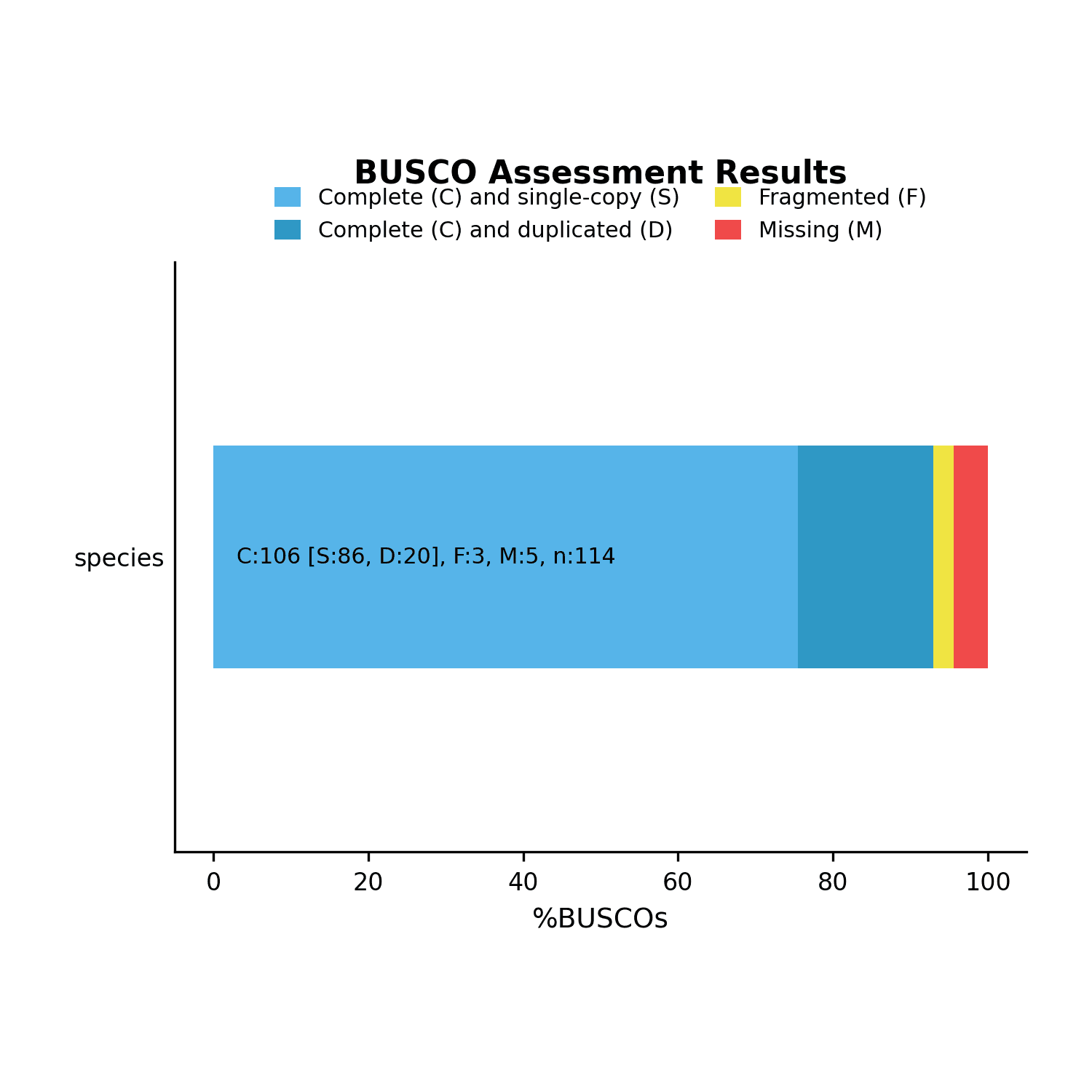
Assembly Quality

Assess genome assembly completeness using BUSCO single-copy orthologues to evaluate gene content recovery.

Image
Image
1/1
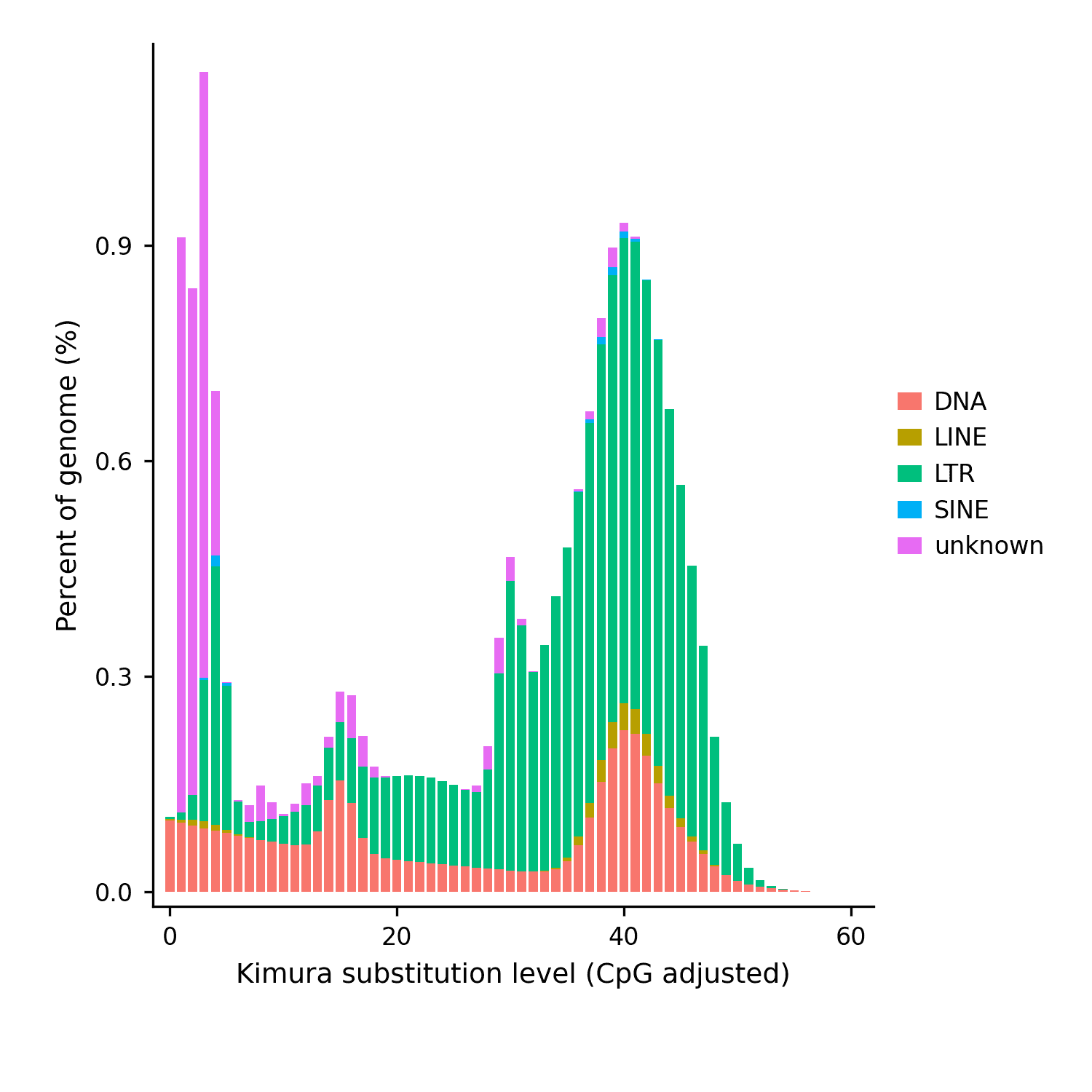
Repeat Divergence Analysis

Visualise repeat sequence divergence to explore repeat composition, activity and genome evolution patterns.

Image
Image
1/1
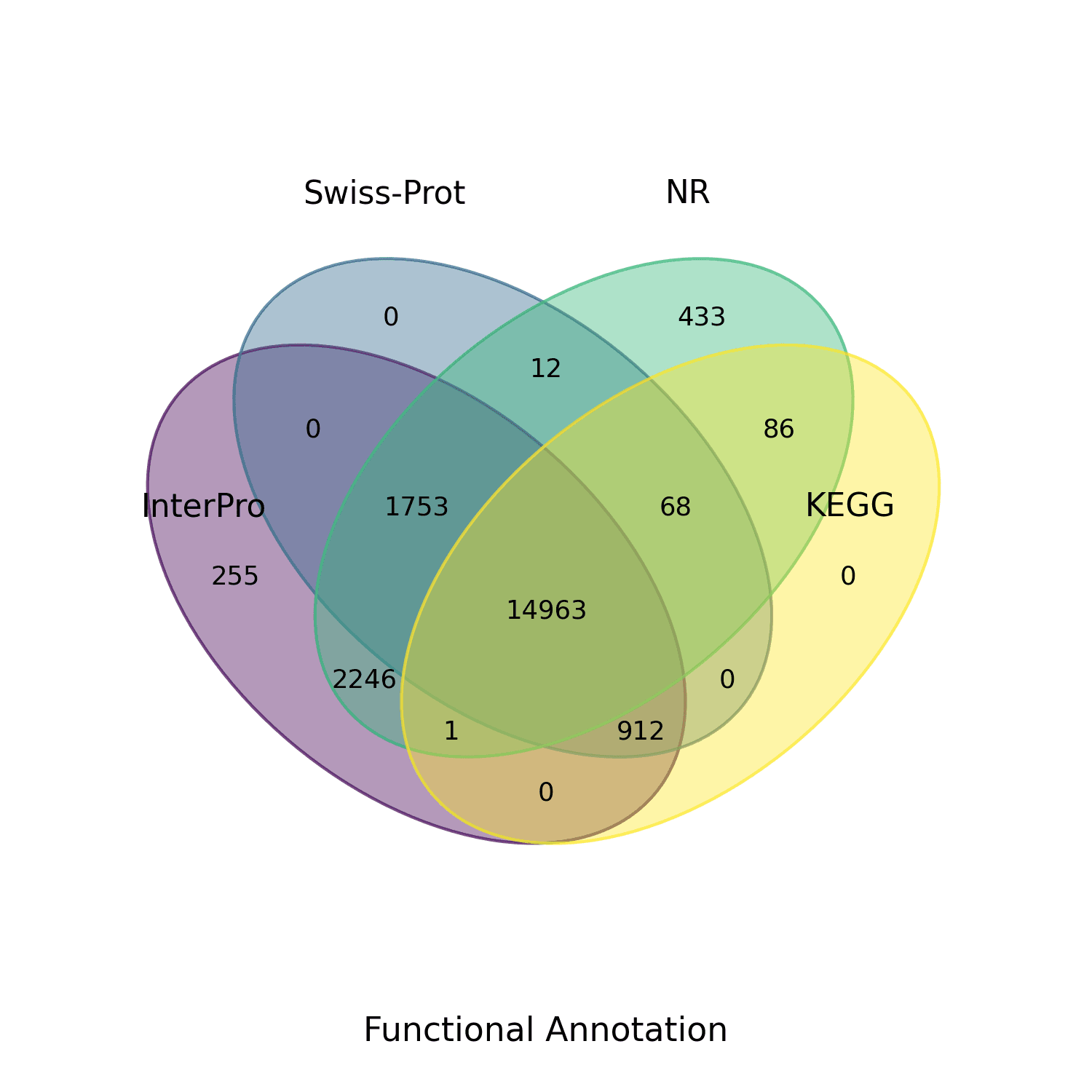
Functional Annotation Overlap

Summarise overlap of predicted gene annotations across databases to support genome function interpretation.

Image
Image
1/1
Assembly Quality

Assess genome assembly completeness using BUSCO single-copy orthologues to evaluate gene content recovery.

Image
Image
1/1
Repeat Divergence Analysis

Visualise repeat sequence divergence to explore repeat composition, activity and genome evolution patterns.

Image
Image
1/1
Functional Annotation Overlap

Summarise overlap of predicted gene annotations across databases to support genome function interpretation.

Image
Image
1/1
Assembly Quality

Assess genome assembly completeness using BUSCO single-copy orthologues to evaluate gene content recovery.

Image
Image
1/1
Repeat Divergence Analysis

Visualise repeat sequence divergence to explore repeat composition, activity and genome evolution patterns.

Image
Image
1/1
Functional Annotation Overlap

Summarise overlap of predicted gene annotations across databases to support genome function interpretation.

Webinars

Getting Started with Genomics: Next Generation Sequencing Essentials for 2024

Discover the fundamentals of Next-Generation Sequencing (NGS) and learn how leading technologies such as Illumina, PacBio, and Oxford Nanopore are advancing genomic research and unlocking new possibilities in DNA analysis.

Learn More
(Getting Started with Genomics: Next Generation Sequencing Essentials for 2024)
Getting Started with Genomics: Next Generation Sequencing Essentials for 2024

Discover the fundamentals of Next-Generation Sequencing (NGS) and learn how leading technologies such as Illumina, PacBio, and Oxford Nanopore are advancing genomic research and unlocking new possibilities in DNA analysis.

Learn More
(Getting Started with Genomics: Next Generation Sequencing Essentials for 2024)
Getting Started with Genomics: Next Generation Sequencing Essentials for 2024

Discover the fundamentals of Next-Generation Sequencing (NGS) and learn how leading technologies such as Illumina, PacBio, and Oxford Nanopore are advancing genomic research and unlocking new possibilities in DNA analysis.

Learn More
(Getting Started with Genomics: Next Generation Sequencing Essentials for 2024)
Getting Started with Genomics: Next Generation Sequencing Essentials for 2024

Discover the fundamentals of Next-Generation Sequencing (NGS) and learn how leading technologies such as Illumina, PacBio, and Oxford Nanopore are advancing genomic research and unlocking new possibilities in DNA analysis.

Learn More
(Getting Started with Genomics: Next Generation Sequencing Essentials for 2024)

Frequently Asked Questions

How is assembly reliability evaluated?

Researchers assess assembly reliability using continuity, completeness, and accuracy metrics such as contig N50 and Scaffold N50.

Common evaluation methods include BUSCO, LAI, Merqury, CEGMA, EST sequence assessment, and consensus evaluation. BUSCO assesses the genome using a library of single-copy orthologous genes. LAI measures the structural completeness of repetitive, structural parts of the genome. Merqury evaluates assembly consensus quality and completeness using high-accuracy k-mer profiles derived from sequencing reads.

What is the recommended strategy for de novo genome assembly?

Can de novo assemblies identify structural variants and repeats?

Can de novo genome assemblies support downstream functional studies?

Explore Genomics Insights

Access webinars, brochures and case studies covering sequencing technologies, study planning and data interpretation.
View Webinar Library
(Explore Genomics Insights)
View Webinar Library
(Explore Genomics Insights)
Background
Background

Speak with a Specialist

Have a project in mind?


Send us your enquiry and a Novogene Europe specialist will be in touch.


Privacy PolicyCookie PolicyTerms
banner laptop bg
banner mobile bg

Plant and Animal De novo Sequencing

Reference-free genome assembly for plant and animal species, supporting genome structure, species evolution and trait-related research.
OverviewOverview
BenefitsBenefits
ApplicationsApplications
SpecificationsSpecifications
ResourcesResources

For many plant and animal species, especially non-model organisms, a high-quality reference genome may be limited or unavailable. De novo sequencing helps researchers build new genome assemblies from sequencing data, supporting studies of genome structure, species evolution, adaptation and trait-related biology.


Novogene Europe supports plant and animal de novo sequencing projects with short-read, long-read and chromosome-level assembly strategies. Bioinformatics workflows can support genome assembly, annotation and comparative analysis, helping researchers develop reliable genome resources for downstream research.

Service Highlights

Reference Genome Construction

Build new genome assemblies for plant and animal species where a suitable reference genome is limited, incomplete or unavailable for analysis.

Reference Genome Construction

Build new genome assemblies for plant and animal species where a suitable reference genome is limited, incomplete or unavailable for analysis.

Long-read Assembly Options

Long-read and ultra-long sequencing options support high-contiguity assembly for complex plant and animal genomes with repetitive or variable regions.

Long-read Assembly Options

Long-read and ultra-long sequencing options support high-contiguity assembly for complex plant and animal genomes with repetitive or variable regions.

Chromosome-level Assembly

Hi-C-based assembly strategies can support chromosome-level genome construction and improve genome structure resolution across larger or more complex genomes.

Chromosome-level Assembly

Hi-C-based assembly strategies can support chromosome-level genome construction and improve genome structure resolution across larger or more complex genomes.

Annotation and Comparative Analysis

Bioinformatics workflows support genome annotation, functional interpretation and comparative analysis to help develop genome resources for downstream biological research.

Annotation and Comparative Analysis

Bioinformatics workflows support genome annotation, functional interpretation and comparative analysis to help develop genome resources for downstream biological research.

Service Highlights

Reference Genome Construction

Build new genome assemblies for plant and animal species where a suitable reference genome is limited, incomplete or unavailable for analysis.

Reference Genome Construction

Build new genome assemblies for plant and animal species where a suitable reference genome is limited, incomplete or unavailable for analysis.

Long-read Assembly Options

Long-read and ultra-long sequencing options support high-contiguity assembly for complex plant and animal genomes with repetitive or variable regions.

Long-read Assembly Options

Long-read and ultra-long sequencing options support high-contiguity assembly for complex plant and animal genomes with repetitive or variable regions.

Chromosome-level Assembly

Hi-C-based assembly strategies can support chromosome-level genome construction and improve genome structure resolution across larger or more complex genomes.

Chromosome-level Assembly

Hi-C-based assembly strategies can support chromosome-level genome construction and improve genome structure resolution across larger or more complex genomes.

Annotation and Comparative Analysis

Bioinformatics workflows support genome annotation, functional interpretation and comparative analysis to help develop genome resources for downstream biological research.

Annotation and Comparative Analysis

Bioinformatics workflows support genome annotation, functional interpretation and comparative analysis to help develop genome resources for downstream biological research.

Applications

Evolution and Adaptation

Plant and animal de novo sequencing helps researchers investigate genome evolution, species differentiation and genetic mechanisms linked to environmental adaptation.

Evolution and Adaptation

Plant and animal de novo sequencing helps researchers investigate genome evolution, species differentiation and genetic mechanisms linked to environmental adaptation.

Breeding and Trait Research

New genome assemblies can support identification of genes and genomic regions associated with important agricultural, productivity, resistance or quality-related traits.

Breeding and Trait Research

New genome assemblies can support identification of genes and genomic regions associated with important agricultural, productivity, resistance or quality-related traits.

Conservation Genomics

Reference genome resources can support studies of endangered or non-model species, helping researchers explore genetic diversity, population history and conservation-relevant biology.

Conservation Genomics

Reference genome resources can support studies of endangered or non-model species, helping researchers explore genetic diversity, population history and conservation-relevant biology.

Comparative Genomics

De novo assemblies provide genome resources for comparing species, lineages or related organisms to investigate genome structure, gene content and species-specific features.

Comparative Genomics

De novo assemblies provide genome resources for comparing species, lineages or related organisms to investigate genome structure, gene content and species-specific features.

Applications

Evolution and Adaptation

Plant and animal de novo sequencing helps researchers investigate genome evolution, species differentiation and genetic mechanisms linked to environmental adaptation.

Evolution and Adaptation

Plant and animal de novo sequencing helps researchers investigate genome evolution, species differentiation and genetic mechanisms linked to environmental adaptation.

Breeding and Trait Research

New genome assemblies can support identification of genes and genomic regions associated with important agricultural, productivity, resistance or quality-related traits.

Breeding and Trait Research

New genome assemblies can support identification of genes and genomic regions associated with important agricultural, productivity, resistance or quality-related traits.

Conservation Genomics

Reference genome resources can support studies of endangered or non-model species, helping researchers explore genetic diversity, population history and conservation-relevant biology.

Conservation Genomics

Reference genome resources can support studies of endangered or non-model species, helping researchers explore genetic diversity, population history and conservation-relevant biology.

Comparative Genomics

De novo assemblies provide genome resources for comparing species, lineages or related organisms to investigate genome structure, gene content and species-specific features.

Comparative Genomics

De novo assemblies provide genome resources for comparing species, lineages or related organisms to investigate genome structure, gene content and species-specific features.

Specifications

Sample Requirements

The quantities listed are provided for reference only. Please download the Sample Requirements for detailed guidance, or contact us to discuss your project-specific requirements.

Platform TypeSample TypeAmount (Qubit®)Purity
IlluminaNovaSeq X Plus /NovaSeq6000Genomic DNA≥ 100 ngOD260/280=1.8-2.0;no degradation,
no contamination
Genomic DNA(PCR free customized)≥ 2 μg
Genomic DNA(PCR free)≥ 1.2 μg
PacBio Revio DNA HiFi libraryHMW Genomic DNA≥ 3 μgOD260/280=1.75-2.0;
OD260/230=1.5-2.6;
*NC/QC=1.0-2.2Fragments should be ≥ 30 kb
Nanopore
PromethION DNA library
HMW Genomic DNA≥ 8 μgOD260/280=1.75-2.0;
OD260/230=1.4-2.6;
*NC/QC=0.95~3.00Fragments should be ≥ 30 kb
Nanopore Ultra-long DNA LibraryuHMW Genomic DNA (plant and animal tissues)≥ 20 μgOD260/280=1.7-2.0;
OD260/230=1.3-2.6;
*NC/QC=0.95-3.00;
Fragments should be ≥ 100k, no fragments below 30k.
*NC/QC = NanoDrop concentration/Qubit concentration

Sample Requirements

The quantities listed are provided for reference only. Please download the Sample Requirements for detailed guidance, or contact us to discuss your project-specific requirements.

Platform TypeSample TypeAmount (Qubit®)Purity
IlluminaNovaSeq X Plus /NovaSeq6000Genomic DNA≥ 100 ngOD260/280=1.8-2.0;no degradation,
no contamination
Genomic DNA(PCR free customized)≥ 2 μg
Genomic DNA(PCR free)≥ 1.2 μg
PacBio Revio DNA HiFi libraryHMW Genomic DNA≥ 3 μgOD260/280=1.75-2.0;
OD260/230=1.5-2.6;
*NC/QC=1.0-2.2Fragments should be ≥ 30 kb
Nanopore
PromethION DNA library
HMW Genomic DNA≥ 8 μgOD260/280=1.75-2.0;
OD260/230=1.4-2.6;
*NC/QC=0.95~3.00Fragments should be ≥ 30 kb
Nanopore Ultra-long DNA LibraryuHMW Genomic DNA (plant and animal tissues)≥ 20 μgOD260/280=1.7-2.0;
OD260/230=1.3-2.6;
*NC/QC=0.95-3.00;
Fragments should be ≥ 100k, no fragments below 30k.
*NC/QC = NanoDrop concentration/Qubit concentration

Sample Requirements

The quantities listed are provided for reference only. Please download the Sample Requirements for detailed guidance, or contact us to discuss your project-specific requirements.

Platform TypeSample TypeAmount (Qubit®)Purity
IlluminaNovaSeq X Plus /NovaSeq6000Genomic DNA≥ 100 ngOD260/280=1.8-2.0;no degradation,
no contamination
Genomic DNA(PCR free customized)≥ 2 μg
Genomic DNA(PCR free)≥ 1.2 μg
PacBio Revio DNA HiFi libraryHMW Genomic DNA≥ 3 μgOD260/280=1.75-2.0;
OD260/230=1.5-2.6;
*NC/QC=1.0-2.2Fragments should be ≥ 30 kb
Nanopore
PromethION DNA library
HMW Genomic DNA≥ 8 μgOD260/280=1.75-2.0;
OD260/230=1.4-2.6;
*NC/QC=0.95~3.00Fragments should be ≥ 30 kb
Nanopore Ultra-long DNA LibraryuHMW Genomic DNA (plant and animal tissues)≥ 20 μgOD260/280=1.7-2.0;
OD260/230=1.3-2.6;
*NC/QC=0.95-3.00;
Fragments should be ≥ 100k, no fragments below 30k.
*NC/QC = NanoDrop concentration/Qubit concentration

Sample Requirements

The quantities listed are provided for reference only. Please download the Sample Requirements for detailed guidance, or contact us to discuss your project-specific requirements.

Platform TypeSample TypeAmount (Qubit®)Purity
IlluminaNovaSeq X Plus /NovaSeq6000Genomic DNA≥ 100 ngOD260/280=1.8-2.0;no degradation,
no contamination
Genomic DNA(PCR free customized)≥ 2 μg
Genomic DNA(PCR free)≥ 1.2 μg
PacBio Revio DNA HiFi libraryHMW Genomic DNA≥ 3 μgOD260/280=1.75-2.0;
OD260/230=1.5-2.6;
*NC/QC=1.0-2.2Fragments should be ≥ 30 kb
Nanopore
PromethION DNA library
HMW Genomic DNA≥ 8 μgOD260/280=1.75-2.0;
OD260/230=1.4-2.6;
*NC/QC=0.95~3.00Fragments should be ≥ 30 kb
Nanopore Ultra-long DNA LibraryuHMW Genomic DNA (plant and animal tissues)≥ 20 μgOD260/280=1.7-2.0;
OD260/230=1.3-2.6;
*NC/QC=0.95-3.00;
Fragments should be ≥ 100k, no fragments below 30k.
*NC/QC = NanoDrop concentration/Qubit concentration

Sequencing and Analysis

Recommended data outputs and analysis contents displayed are for reference only. For detailed information, please contact us with your customized requests.

Sequencing TypeShort-read SequencingPacBio RevioNanopore PromethION
Read LengthPaired-end 150 bpN50>15 kb, long read lengths up to 25 kb(CCS)average > 50 kb
Recommended  Sequencing DepthFor genome survey or assembly polishing: ≥ 50×
RNA requires 4 to 6 different tissue sites.
For genome assembly: ≥ 30×
Standard AnalysisK-mer analysis
GC content analysis
Repeat content rate evaluation
Heterozygous rate evaluation
Genome size evaluation
Long-read assembly
Assembly statistics
Gene completeness evaluation
Genome Annotation-Repeat prediction
Structure prediction
Function prediction
Noncoding RNA prediction

Sequencing and Analysis

Recommended data outputs and analysis contents displayed are for reference only. For detailed information, please contact us with your customized requests.

Sequencing TypeShort-read SequencingPacBio RevioNanopore PromethION
Read LengthPaired-end 150 bpN50>15 kb, long read lengths up to 25 kb(CCS)average > 50 kb
Recommended  Sequencing DepthFor genome survey or assembly polishing: ≥ 50×
RNA requires 4 to 6 different tissue sites.
For genome assembly: ≥ 30×
Standard AnalysisK-mer analysis
GC content analysis
Repeat content rate evaluation
Heterozygous rate evaluation
Genome size evaluation
Long-read assembly
Assembly statistics
Gene completeness evaluation
Genome Annotation-Repeat prediction
Structure prediction
Function prediction
Noncoding RNA prediction

Sequencing and Analysis

Recommended data outputs and analysis contents displayed are for reference only. For detailed information, please contact us with your customized requests.

Sequencing TypeShort-read SequencingPacBio RevioNanopore PromethION
Read LengthPaired-end 150 bpN50>15 kb, long read lengths up to 25 kb(CCS)average > 50 kb
Recommended  Sequencing DepthFor genome survey or assembly polishing: ≥ 50×
RNA requires 4 to 6 different tissue sites.
For genome assembly: ≥ 30×
Standard AnalysisK-mer analysis
GC content analysis
Repeat content rate evaluation
Heterozygous rate evaluation
Genome size evaluation
Long-read assembly
Assembly statistics
Gene completeness evaluation
Genome Annotation-Repeat prediction
Structure prediction
Function prediction
Noncoding RNA prediction

Sequencing and Analysis

Recommended data outputs and analysis contents displayed are for reference only. For detailed information, please contact us with your customized requests.

Sequencing TypeShort-read SequencingPacBio RevioNanopore PromethION
Read LengthPaired-end 150 bpN50>15 kb, long read lengths up to 25 kb(CCS)average > 50 kb
Recommended  Sequencing DepthFor genome survey or assembly polishing: ≥ 50×
RNA requires 4 to 6 different tissue sites.
For genome assembly: ≥ 30×
Standard AnalysisK-mer analysis
GC content analysis
Repeat content rate evaluation
Heterozygous rate evaluation
Genome size evaluation
Long-read assembly
Assembly statistics
Gene completeness evaluation
Genome Annotation-Repeat prediction
Structure prediction
Function prediction
Noncoding RNA prediction

Specifications

Sample Requirements

The quantities listed are provided for reference only. Please download the Sample Requirements for detailed guidance, or contact us to discuss your project-specific requirements.

Platform TypeSample TypeAmount (Qubit®)Purity
IlluminaNovaSeq X Plus /NovaSeq6000Genomic DNA≥ 100 ngOD260/280=1.8-2.0;no degradation,
no contamination
Genomic DNA(PCR free customized)≥ 2 μg
Genomic DNA(PCR free)≥ 1.2 μg
PacBio Revio DNA HiFi libraryHMW Genomic DNA≥ 3 μgOD260/280=1.75-2.0;
OD260/230=1.5-2.6;
*NC/QC=1.0-2.2Fragments should be ≥ 30 kb
Nanopore
PromethION DNA library
HMW Genomic DNA≥ 8 μgOD260/280=1.75-2.0;
OD260/230=1.4-2.6;
*NC/QC=0.95~3.00Fragments should be ≥ 30 kb
Nanopore Ultra-long DNA LibraryuHMW Genomic DNA (plant and animal tissues)≥ 20 μgOD260/280=1.7-2.0;
OD260/230=1.3-2.6;
*NC/QC=0.95-3.00;
Fragments should be ≥ 100k, no fragments below 30k.
*NC/QC = NanoDrop concentration/Qubit concentration

Sample Requirements

The quantities listed are provided for reference only. Please download the Sample Requirements for detailed guidance, or contact us to discuss your project-specific requirements.

Platform TypeSample TypeAmount (Qubit®)Purity
IlluminaNovaSeq X Plus /NovaSeq6000Genomic DNA≥ 100 ngOD260/280=1.8-2.0;no degradation,
no contamination
Genomic DNA(PCR free customized)≥ 2 μg
Genomic DNA(PCR free)≥ 1.2 μg
PacBio Revio DNA HiFi libraryHMW Genomic DNA≥ 3 μgOD260/280=1.75-2.0;
OD260/230=1.5-2.6;
*NC/QC=1.0-2.2Fragments should be ≥ 30 kb
Nanopore
PromethION DNA library
HMW Genomic DNA≥ 8 μgOD260/280=1.75-2.0;
OD260/230=1.4-2.6;
*NC/QC=0.95~3.00Fragments should be ≥ 30 kb
Nanopore Ultra-long DNA LibraryuHMW Genomic DNA (plant and animal tissues)≥ 20 μgOD260/280=1.7-2.0;
OD260/230=1.3-2.6;
*NC/QC=0.95-3.00;
Fragments should be ≥ 100k, no fragments below 30k.
*NC/QC = NanoDrop concentration/Qubit concentration

Sample Requirements

The quantities listed are provided for reference only. Please download the Sample Requirements for detailed guidance, or contact us to discuss your project-specific requirements.

Platform TypeSample TypeAmount (Qubit®)Purity
IlluminaNovaSeq X Plus /NovaSeq6000Genomic DNA≥ 100 ngOD260/280=1.8-2.0;no degradation,
no contamination
Genomic DNA(PCR free customized)≥ 2 μg
Genomic DNA(PCR free)≥ 1.2 μg
PacBio Revio DNA HiFi libraryHMW Genomic DNA≥ 3 μgOD260/280=1.75-2.0;
OD260/230=1.5-2.6;
*NC/QC=1.0-2.2Fragments should be ≥ 30 kb
Nanopore
PromethION DNA library
HMW Genomic DNA≥ 8 μgOD260/280=1.75-2.0;
OD260/230=1.4-2.6;
*NC/QC=0.95~3.00Fragments should be ≥ 30 kb
Nanopore Ultra-long DNA LibraryuHMW Genomic DNA (plant and animal tissues)≥ 20 μgOD260/280=1.7-2.0;
OD260/230=1.3-2.6;
*NC/QC=0.95-3.00;
Fragments should be ≥ 100k, no fragments below 30k.
*NC/QC = NanoDrop concentration/Qubit concentration

Sample Requirements

The quantities listed are provided for reference only. Please download the Sample Requirements for detailed guidance, or contact us to discuss your project-specific requirements.

Platform TypeSample TypeAmount (Qubit®)Purity
IlluminaNovaSeq X Plus /NovaSeq6000Genomic DNA≥ 100 ngOD260/280=1.8-2.0;no degradation,
no contamination
Genomic DNA(PCR free customized)≥ 2 μg
Genomic DNA(PCR free)≥ 1.2 μg
PacBio Revio DNA HiFi libraryHMW Genomic DNA≥ 3 μgOD260/280=1.75-2.0;
OD260/230=1.5-2.6;
*NC/QC=1.0-2.2Fragments should be ≥ 30 kb
Nanopore
PromethION DNA library
HMW Genomic DNA≥ 8 μgOD260/280=1.75-2.0;
OD260/230=1.4-2.6;
*NC/QC=0.95~3.00Fragments should be ≥ 30 kb
Nanopore Ultra-long DNA LibraryuHMW Genomic DNA (plant and animal tissues)≥ 20 μgOD260/280=1.7-2.0;
OD260/230=1.3-2.6;
*NC/QC=0.95-3.00;
Fragments should be ≥ 100k, no fragments below 30k.
*NC/QC = NanoDrop concentration/Qubit concentration

Sequencing and Analysis

Recommended data outputs and analysis contents displayed are for reference only. For detailed information, please contact us with your customized requests.

Sequencing TypeShort-read SequencingPacBio RevioNanopore PromethION
Read LengthPaired-end 150 bpN50>15 kb, long read lengths up to 25 kb(CCS)average > 50 kb
Recommended  Sequencing DepthFor genome survey or assembly polishing: ≥ 50×
RNA requires 4 to 6 different tissue sites.
For genome assembly: ≥ 30×
Standard AnalysisK-mer analysis
GC content analysis
Repeat content rate evaluation
Heterozygous rate evaluation
Genome size evaluation
Long-read assembly
Assembly statistics
Gene completeness evaluation
Genome Annotation-Repeat prediction
Structure prediction
Function prediction
Noncoding RNA prediction

Sequencing and Analysis

Recommended data outputs and analysis contents displayed are for reference only. For detailed information, please contact us with your customized requests.

Sequencing TypeShort-read SequencingPacBio RevioNanopore PromethION
Read LengthPaired-end 150 bpN50>15 kb, long read lengths up to 25 kb(CCS)average > 50 kb
Recommended  Sequencing DepthFor genome survey or assembly polishing: ≥ 50×
RNA requires 4 to 6 different tissue sites.
For genome assembly: ≥ 30×
Standard AnalysisK-mer analysis
GC content analysis
Repeat content rate evaluation
Heterozygous rate evaluation
Genome size evaluation
Long-read assembly
Assembly statistics
Gene completeness evaluation
Genome Annotation-Repeat prediction
Structure prediction
Function prediction
Noncoding RNA prediction

Sequencing and Analysis

Recommended data outputs and analysis contents displayed are for reference only. For detailed information, please contact us with your customized requests.

Sequencing TypeShort-read SequencingPacBio RevioNanopore PromethION
Read LengthPaired-end 150 bpN50>15 kb, long read lengths up to 25 kb(CCS)average > 50 kb
Recommended  Sequencing DepthFor genome survey or assembly polishing: ≥ 50×
RNA requires 4 to 6 different tissue sites.
For genome assembly: ≥ 30×
Standard AnalysisK-mer analysis
GC content analysis
Repeat content rate evaluation
Heterozygous rate evaluation
Genome size evaluation
Long-read assembly
Assembly statistics
Gene completeness evaluation
Genome Annotation-Repeat prediction
Structure prediction
Function prediction
Noncoding RNA prediction

Sequencing and Analysis

Recommended data outputs and analysis contents displayed are for reference only. For detailed information, please contact us with your customized requests.

Sequencing TypeShort-read SequencingPacBio RevioNanopore PromethION
Read LengthPaired-end 150 bpN50>15 kb, long read lengths up to 25 kb(CCS)average > 50 kb
Recommended  Sequencing DepthFor genome survey or assembly polishing: ≥ 50×
RNA requires 4 to 6 different tissue sites.
For genome assembly: ≥ 30×
Standard AnalysisK-mer analysis
GC content analysis
Repeat content rate evaluation
Heterozygous rate evaluation
Genome size evaluation
Long-read assembly
Assembly statistics
Gene completeness evaluation
Genome Annotation-Repeat prediction
Structure prediction
Function prediction
Noncoding RNA prediction

Resources

Example Analysis Output

Image
Image
1/1
Assembly Quality

Assess genome assembly completeness using BUSCO single-copy orthologues to evaluate gene content recovery.

Image
Image
1/1
Repeat Divergence Analysis

Visualise repeat sequence divergence to explore repeat composition, activity and genome evolution patterns.

Image
Image
1/1
Functional Annotation Overlap

Summarise overlap of predicted gene annotations across databases to support genome function interpretation.

Image
Image
1/1
Assembly Quality

Assess genome assembly completeness using BUSCO single-copy orthologues to evaluate gene content recovery.

Image
Image
1/1
Repeat Divergence Analysis

Visualise repeat sequence divergence to explore repeat composition, activity and genome evolution patterns.

Image
Image
1/1
Functional Annotation Overlap

Summarise overlap of predicted gene annotations across databases to support genome function interpretation.

Image
Image
1/1
Assembly Quality

Assess genome assembly completeness using BUSCO single-copy orthologues to evaluate gene content recovery.

Image
Image
1/1
Repeat Divergence Analysis

Visualise repeat sequence divergence to explore repeat composition, activity and genome evolution patterns.

Image
Image
1/1
Functional Annotation Overlap

Summarise overlap of predicted gene annotations across databases to support genome function interpretation.

Webinars

Getting Started with Genomics: Next Generation Sequencing Essentials for 2024

Discover the fundamentals of Next-Generation Sequencing (NGS) and learn how leading technologies such as Illumina, PacBio, and Oxford Nanopore are advancing genomic research and unlocking new possibilities in DNA analysis.

Learn More
(Getting Started with Genomics: Next Generation Sequencing Essentials for 2024)
Getting Started with Genomics: Next Generation Sequencing Essentials for 2024

Discover the fundamentals of Next-Generation Sequencing (NGS) and learn how leading technologies such as Illumina, PacBio, and Oxford Nanopore are advancing genomic research and unlocking new possibilities in DNA analysis.

Learn More
(Getting Started with Genomics: Next Generation Sequencing Essentials for 2024)
Getting Started with Genomics: Next Generation Sequencing Essentials for 2024

Discover the fundamentals of Next-Generation Sequencing (NGS) and learn how leading technologies such as Illumina, PacBio, and Oxford Nanopore are advancing genomic research and unlocking new possibilities in DNA analysis.

Learn More
(Getting Started with Genomics: Next Generation Sequencing Essentials for 2024)
Getting Started with Genomics: Next Generation Sequencing Essentials for 2024

Discover the fundamentals of Next-Generation Sequencing (NGS) and learn how leading technologies such as Illumina, PacBio, and Oxford Nanopore are advancing genomic research and unlocking new possibilities in DNA analysis.

Learn More
(Getting Started with Genomics: Next Generation Sequencing Essentials for 2024)

Frequently Asked Questions

How is assembly reliability evaluated?

Researchers assess assembly reliability using continuity, completeness, and accuracy metrics such as contig N50 and Scaffold N50.

Common evaluation methods include BUSCO, LAI, Merqury, CEGMA, EST sequence assessment, and consensus evaluation. BUSCO assesses the genome using a library of single-copy orthologous genes. LAI measures the structural completeness of repetitive, structural parts of the genome. Merqury evaluates assembly consensus quality and completeness using high-accuracy k-mer profiles derived from sequencing reads.

What is the recommended strategy for de novo genome assembly?

Can de novo assemblies identify structural variants and repeats?

Can de novo genome assemblies support downstream functional studies?

Explore Genomics Insights

Access webinars, brochures and case studies covering sequencing technologies, study planning and data interpretation.
View Webinar Library
(Explore Genomics Insights)
View Webinar Library
(Explore Genomics Insights)
Background
Background

Speak with a Specialist

Have a project in mind?


Send us your enquiry and a Novogene Europe specialist will be in touch.


Privacy PolicyCookie PolicyTerms